Cart
0

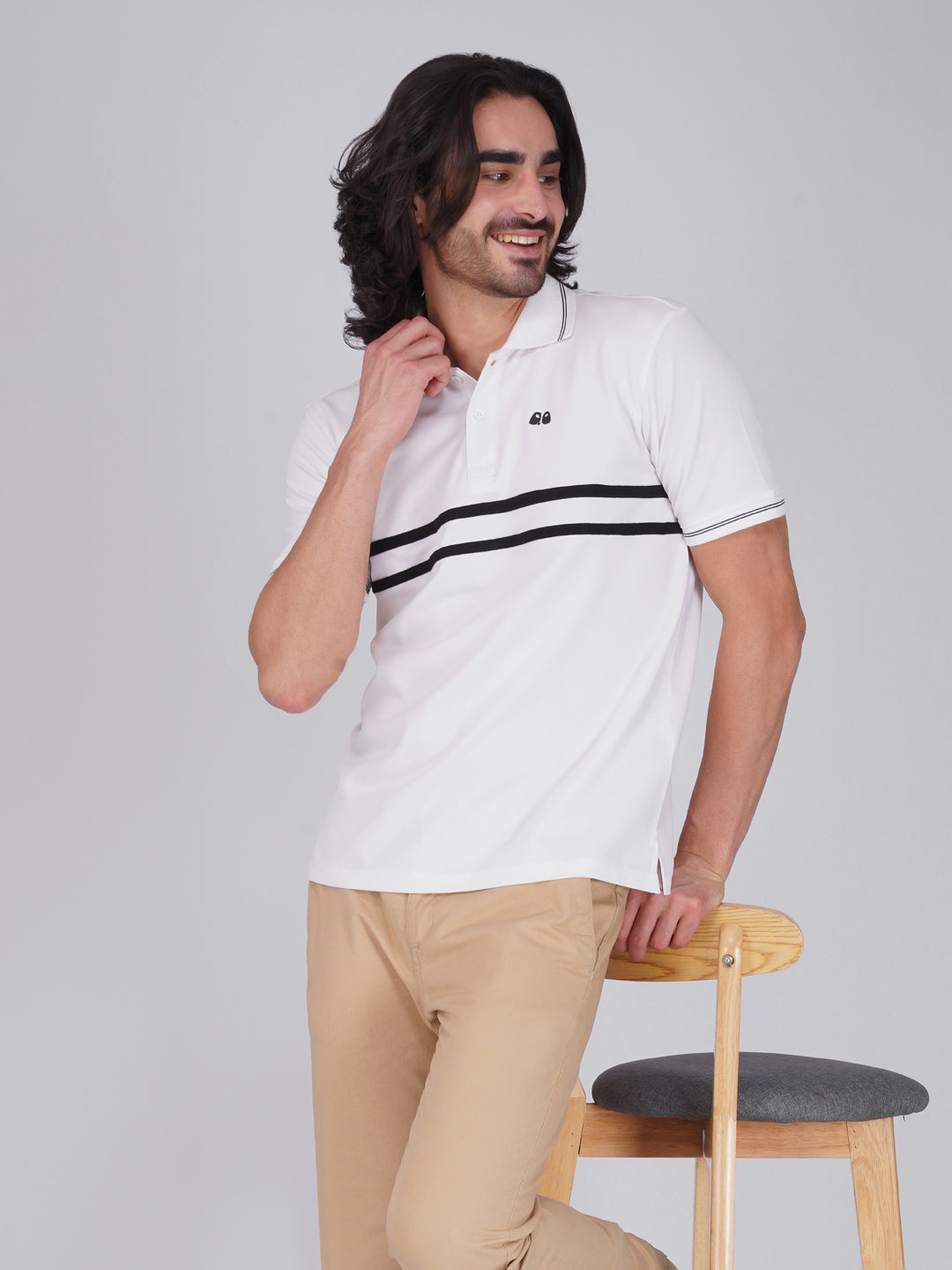
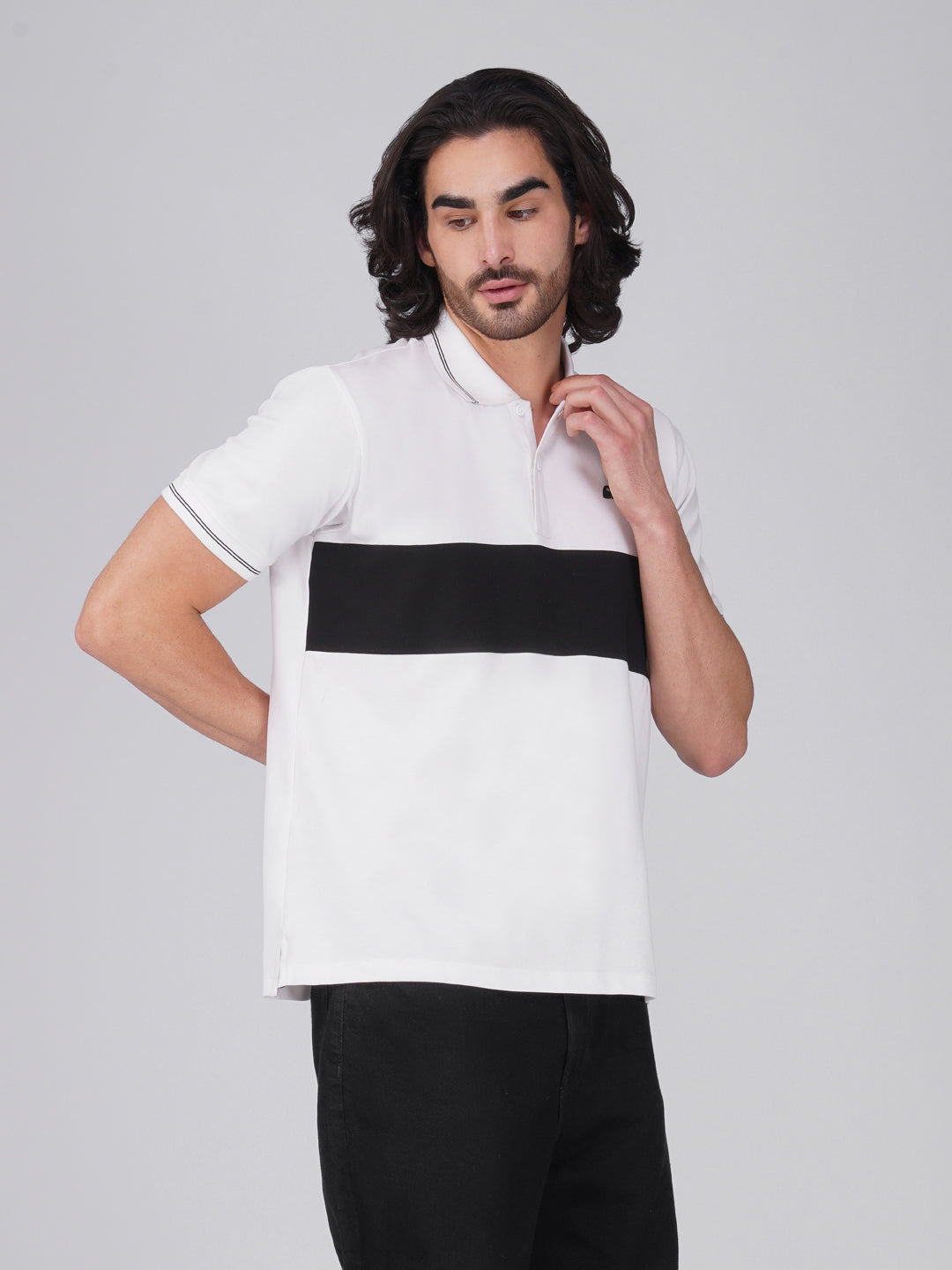
By 4 PM on a long workday, most standard cotton polos have already started to smell - not because the wearer sweated excessively, but because of what happens to that sweat once it sits on the fabric for a few hours. An "anti-odor" polo claims to solve this, but the phrase alone doesn't explain much. This breaks down exactly what's different at the fabric level, what the testing behind it actually means, and why a standard cotton polo simply isn't built to handle the same problem.
Why Cotton Smells in the First Place
It's Not the Sweat - It's the Bacteria
Body odour on clothing mostly comes from bacteria breaking down sweat on the fabric, not from the sweat itself, which is largely odourless when fresh. As bacteria multiply on damp fabric, they produce the compounds responsible for that distinctly unpleasant, stale smell.
Standard Cotton Has No Defence Against This
A standard cotton polo - even a well-made one - has no built-in mechanism to slow bacterial growth. It absorbs sweat effectively, which is one of cotton's genuine strengths, but once that moisture sits on the fabric for a few hours, bacteria are free to multiply without resistance.
What "Anti-Odor" Actually Means at the Fabric Level
A Finish, Not a Fragrance
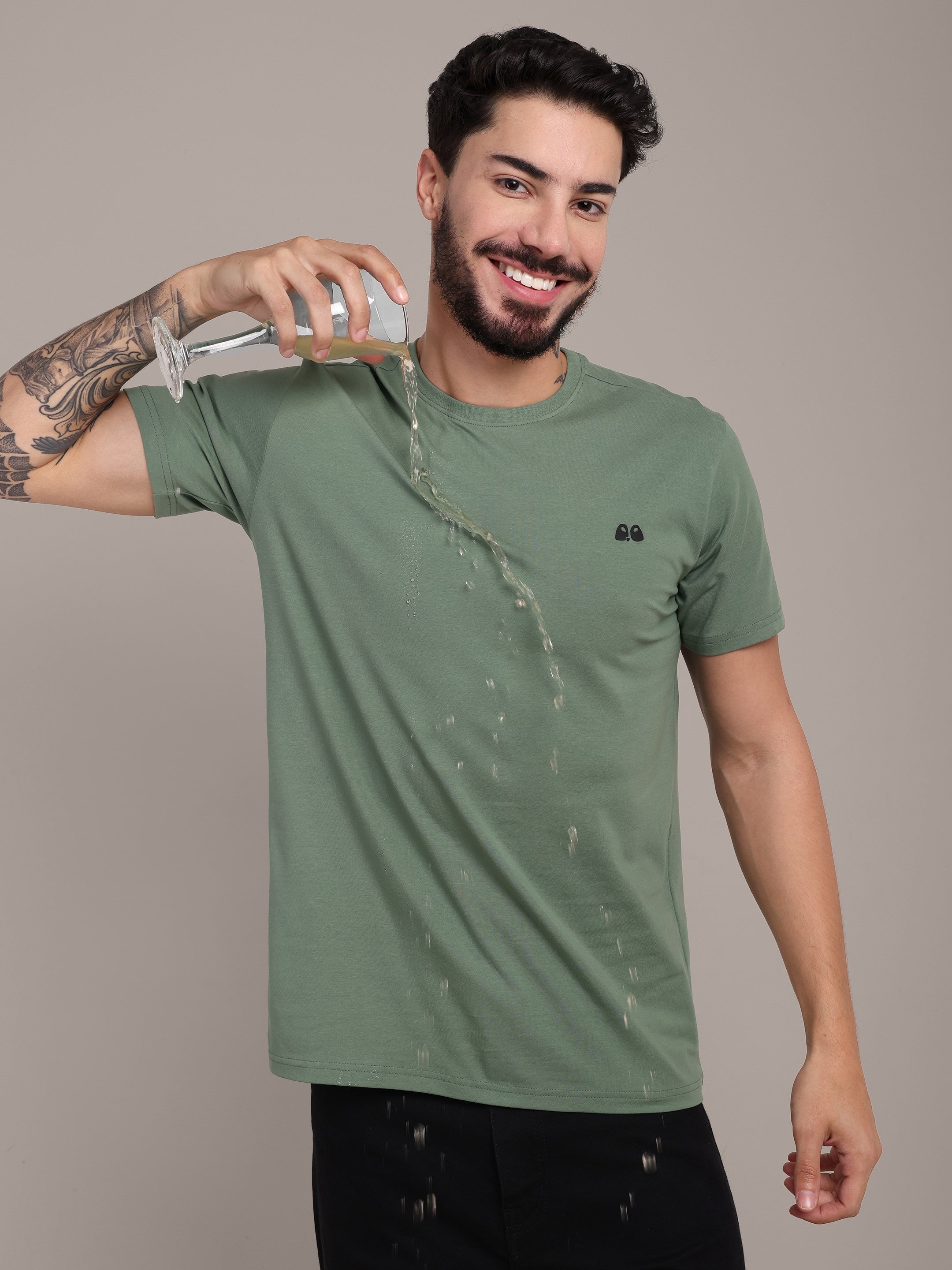
An anti-odor polo isn't scented or perfumed to mask smell - that would be treating a symptom, not the cause. A genuine anti-odor finish, like VanDee's All-Day Freshness Finish, is applied to the fabric specifically to inhibit the growth of odour-causing bacteria on the textile surface, addressing the root cause rather than covering it up.
It Works on the Fabric, Not the Body
This distinction matters: the finish limits bacterial growth on the garment itself, not on skin. It's not a medical or therapeutic product and doesn't replace normal hygiene - it simply means the fabric itself doesn't become a breeding ground for odour-causing bacteria the way untreated cotton does.
The Testing Behind a Genuine Anti-Odor Claim
JIS L 1902:2015 - What It Actually Measures
JIS L 1902:2015 is an internationally recognised quantitative test method for antibacterial activity on textiles. Treated fabric samples are inoculated with test bacteria and incubated, and the reduction in bacterial growth is measured against untreated fabric - a real, repeatable lab process rather than a subjective claim.
Why This Test Matters More Than the Word "Anti-Odor" Alone
Any brand can print "anti-odor" on a tag. Far fewer can point to independent lab data showing bacterial-reduction performance under a named, recognised standard. VanDee's All-Day Freshness Finish is verified this way at an accredited Indian textile laboratory - the claim is backed by data, not just marketing language.
Standard Cotton Polo vs Anti-Odor Polo: A Direct Comparison
Morning to Midday
Both fabrics start the day the same way - dry, fresh, comfortable. The difference begins once sweat and body heat enter the picture: standard cotton absorbs moisture with no resistance to bacterial growth, while an anti-odor-finished fabric actively limits that growth as it happens.
Midday to Evening
This is where the gap becomes noticeable. A standard cotton polo worn through a full workday will typically start to smell by late afternoon, especially in humid conditions. A polo with a genuine All-Day Freshness Finish is built specifically to resist this - the fabric stays fresher for meaningfully longer under the same conditions.
Between Washes
Standard cotton generally needs washing after every wear to stay presentable. An anti-odor-finished polo, because it limits bacterial buildup, often allows for comfortable re-wear between washes after airing out overnight - something most people wouldn't attempt with untreated cotton.
Is an Anti-Odor Finish Safe for Skin?
Certification Matters Here Too
Since an anti-odor finish is a chemical treatment applied to fabric, it's worth checking whether the finished product has been tested for skin safety. VanDee's fabric is OEKO-TEX Standard 100 Class I certified - the strictest class in the standard, originally set for baby and toddler textiles - meaning the treated fabric, finish included, has been tested against harmful-substance limits well beyond standard adult clothing requirements.
Does the Base Fabric Still Matter?
Combed Organic Cotton Holds the Finish Better
An anti-odor finish performs best on a well-constructed base fabric. VanDee's polos use GOTS v7.0-certified, combed organic cotton at 210 GSM (±5%) pique - combing removes shorter, weaker fibres, producing a smoother yarn surface that holds the freshness treatment more evenly than rougher, carded cotton.
Breathability Still Plays a Role
Cotton's natural breathability - absorbing and releasing moisture vapour - works alongside the anti-odor finish rather than against it. The finish handles the bacterial side of the equation; cotton's own structure handles airflow and moisture management, and together they cover more of the problem than either could alone.
My VanDee Polo T-Shirt: A Full-Day Comparison
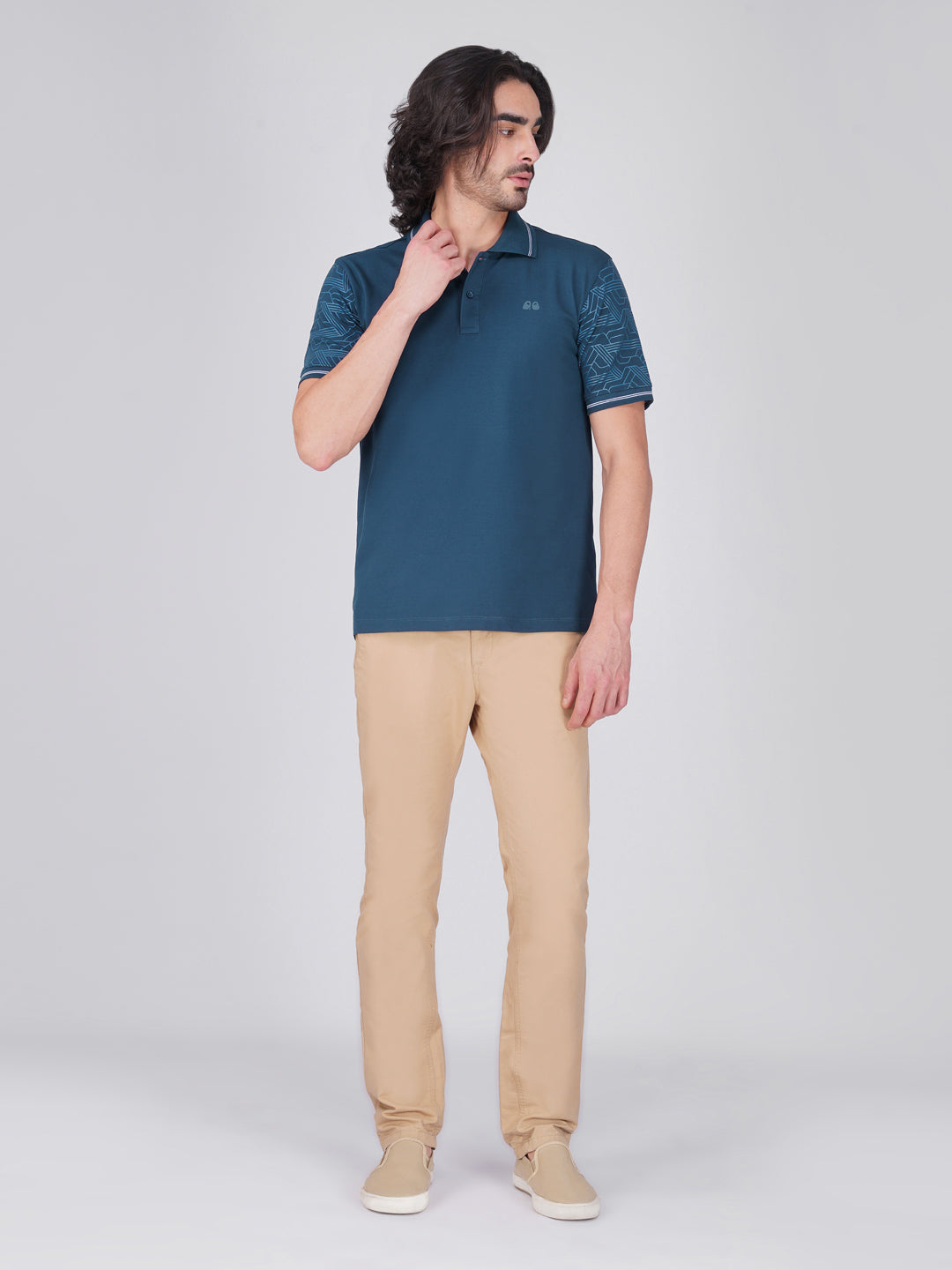
Picture the same office day worn in two different polos - a standard cotton one and a VanDee Anti-Odour Polo. Both start identically at 9 AM. By 2 PM, after a few meetings and a commute, the standard cotton polo is starting to show early signs of odour building up. The VanDee polo, with its All-Day Freshness Finish tested under JIS L 1902:2015, still smells the way it did that morning. By 7 PM, the difference is unmistakable - one needs an immediate change before any evening plans, the other doesn't.
Care Tips to Keep an Anti-Odor Finish Working
Wash cold (30°C or below) and inside-out, and skip fabric softener - it coats fibres with a residue that reduces the effectiveness of anti-odor and stain-release finishes over time. Dry in shade to protect both colour and fabric structure, keeping the finish performing as intended for longer.
Conclusion
The difference between a standard cotton polo and a genuine anti-odor one isn't cosmetic - it's a specific fabric treatment engineered to limit bacterial growth at the source, verified through recognised lab testing rather than marketing language alone. Standard cotton absorbs sweat but offers no resistance to the bacteria that actually cause odour; a properly finished, tested anti-odor polo does. For anyone wearing the same polo through a genuinely long day, that difference is the one that shows up by evening.
Explore VanDee's Organic Polo collection - GOTS v7.0-certified cotton with an All-Day Freshness Finish tested under JIS L 1902:2015 for real, verified bacterial-reduction performance.
FAQs
1. Does an anti-odor polo actually stop sweating?
No - an anti-odor finish doesn't prevent sweating; it limits the growth of odour-causing bacteria on the fabric surface, which is what actually produces the smell, addressing the root cause rather than the sweat itself.
2. Is VanDee's anti-odor claim independently verified?
Yes. The All-Day Freshness Finish is tested under JIS L 1902:2015, a recognised international method for measuring antibacterial activity on textiles, at an accredited Indian textile laboratory.
3. Can I wear an anti-odor polo more than once between washes?
Often, yes. Because the finish limits bacterial growth, many wearers comfortably re-wear the garment between washes after airing it out overnight, which also means fewer washes and less fabric wear over time.
4. Is an anti-odor fabric finish safe for sensitive skin?
VanDee's anti-odor-finished fabric is OEKO-TEX Standard 100 Class I certified, the strictest class in that standard, meaning it's tested against harmful-substance limits stricter than those for regular adult clothing.
5. Does washing reduce how well an anti-odor finish works over time?
It can, particularly with hot water, harsh detergents, or fabric softener. Cold washing and skipping softener helps the finish maintain its bacterial-reduction performance for significantly longer.