Cart
0

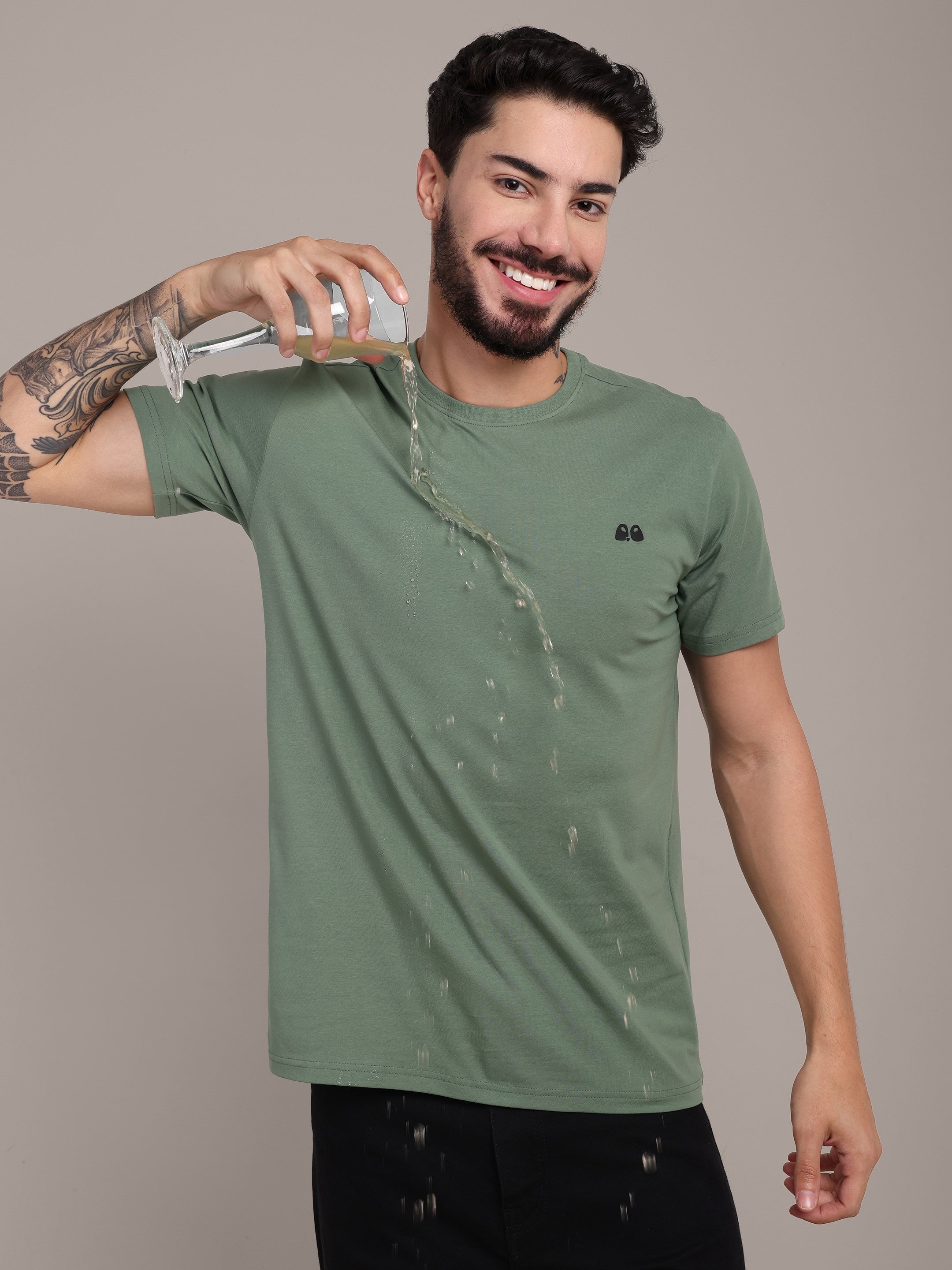
An everyday polo has a harder job than most people give it credit for. It needs to survive a commute, a full workday, a lunch spill, and sometimes a spontaneous evening plan - all without losing its shape, its colour, or its collar. Yet most buying decisions come down to whatever colour catches the eye first, with fabric quality as an afterthought.
This guide walks through exactly what to check before buying an organic cotton polo meant for genuine everyday wear - not an occasional-use piece, but the one you'll reach for several times a week for years.
Start With the Fabric, Not the Colour
Certified Organic, Not Just "Natural"
The word "organic" means very little without a specific certification behind it. Look for a named standard - GOTS v7.0, for instance - rather than a vague sustainability claim. GOTS certification audits the entire process, from farming through spinning, knitting, and finishing, making the claim independently verifiable rather than a marketing word.
Combed Cotton Over Carded
Combing removes shorter, weaker fibres before spinning, producing a smoother, stronger yarn that resists pilling and holds softness through repeated washes far better than carded cotton. This single processing step is one of the biggest quality differences between a polo that lasts years and one that thins out in months.
Check the Fabric Weight (GSM)
Why GSM Matters More Than It Sounds
GSM (grams per square metre) is a reliable indicator of how substantial a fabric feels and how well it holds shape. A polo under 180 GSM in pique will often feel flimsy and lose its collar structure quickly, while something in the 200-220 GSM range holds up through daily wear and washing.
VanDee's Benchmark
VanDee builds its polos at 210 GSM (±5%) organic cotton pique - heavy enough to hold shape at the collar and shoulders throughout a full day, while remaining breathable enough for daily comfort.
Fit: The Detail Most People Get Wrong
Tailored Regular Fit Beats Both Extremes
An everyday polo should sit clean through the chest and shoulders without pulling, and end around mid-hip - not so slim it restricts movement, not so loose it looks sloppy under a jacket. This "tailored regular fit" middle ground is what makes a polo work across the widest range of daily situations, from desk work to a quick errand.
Always Check the Size Chart, Not Just S/M/L
Because sizing varies significantly between brands, comparing exact chest and length measurements against a t-shirt you already own and like is far more reliable than trusting a generic S/M/L label.
Look for Real, Tested Fabric Finishes
Stain-Release, Not Just "Anti-Stain" Marketing
Everyday wear means everyday spills - chai, coffee, sauce, oil. A genuine Stain-Release Care Finish is engineered to loosen how strongly stain particles bond to the fabric, so most everyday marks lift out in a normal cold wash rather than setting permanently.
All-Day Freshness for Genuine Daily Wear
A polo worn multiple times a week needs to handle odour, not just staining. VanDee's All-Day Freshness Finish is independently tested under JIS L 1902:2015 at an accredited textile lab for bacterial-reduction performance - a real, verifiable claim rather than a marketing line.
Check What the Finish Is Tested Against
Whenever a brand claims water-repellency, anti-odour, or stain-release performance, look for a named test standard behind it - AATCC 22 for water-repellency, JIS L 1902:2015 for antibacterial performance. A brand willing to disclose the exact test is usually one that's actually verified its claims.
Skin Safety: What's in the Fabric Matters Too
OEKO-TEX Standard 100 Class I
Since finishes are chemical treatments applied to the fabric, it's worth checking whether the finished product - not just the raw cotton - has been tested for harmful substances. OEKO-TEX Standard 100 Class I is the strictest class in the standard, originally set for baby and toddler textiles, and it's one of the most meaningful skin-safety signals available in apparel.
Colour Strategy for Everyday Versatility
Build Around 3-4 Solid, Versatile Shades
For genuine everyday rotation, prioritise navy, black, white, and one earthy tone (olive or sand) over trend-driven prints. These colours pair with almost everything already in a typical wardrobe, which matters far more for daily use than a standout, occasion-specific shade.
Solids Age Better Than Patterns
A well-chosen solid colour in quality fabric stays wearable and relevant for years, while patterns and prints tend to date faster and limit how many outfits a single polo can realistically pair with.
My VanDee Polo T-Shirt: Applying the Checklist
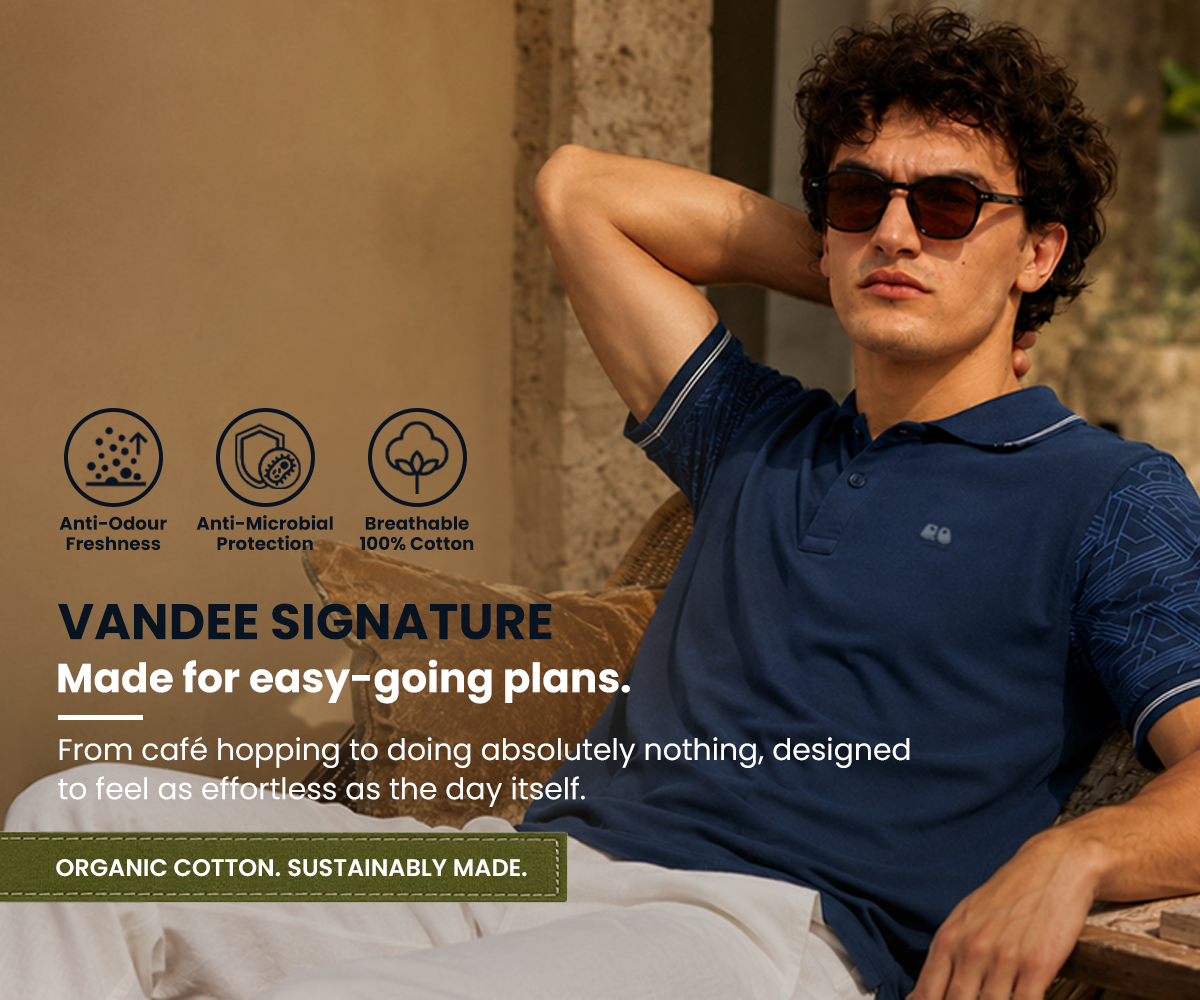
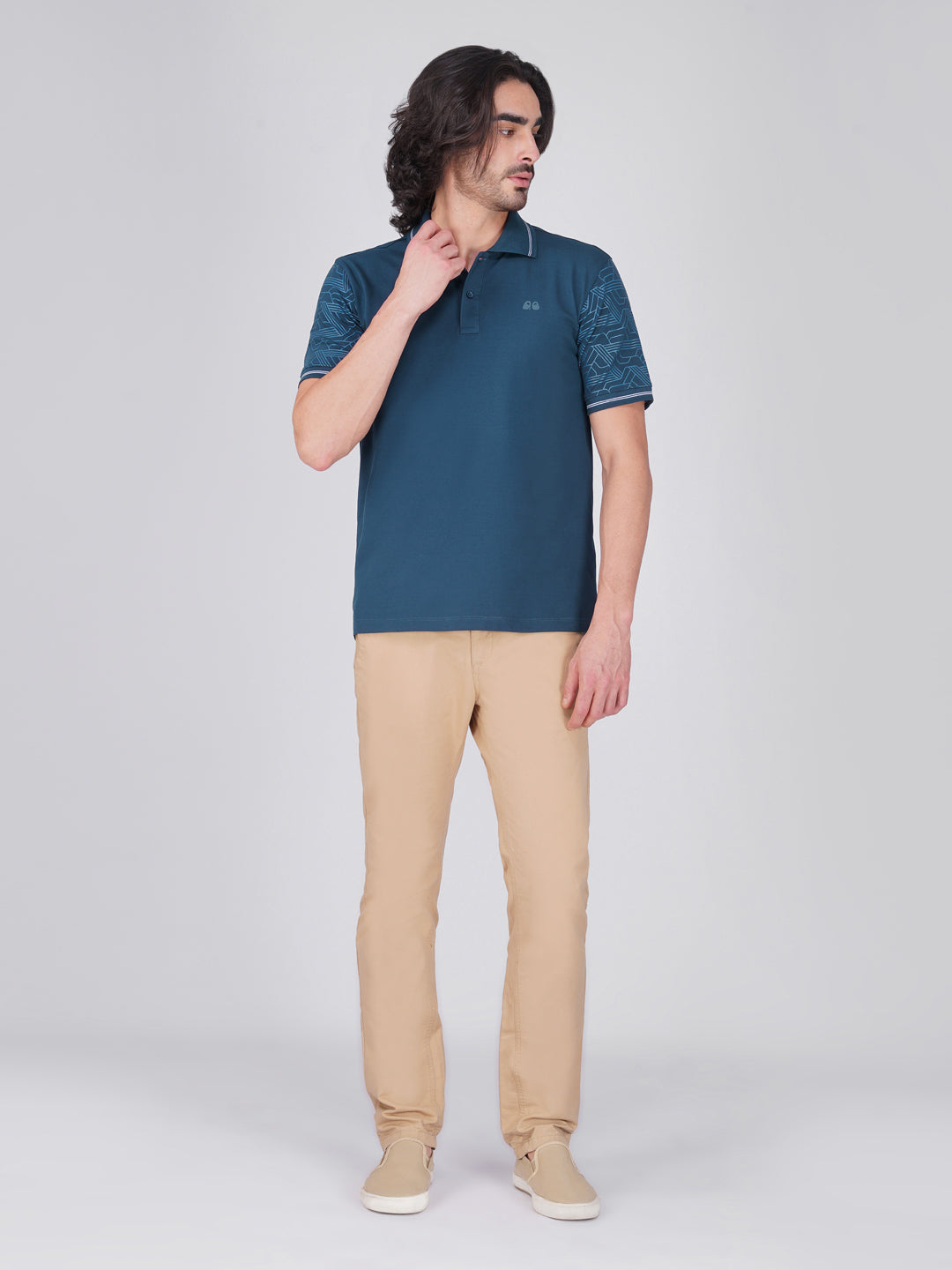
A VanDee Organic Cotton Polo in navy checks every box on this list in practice - GOTS v7.0-certified, combed organic cotton at 210 GSM pique, cut in a tailored regular fit, and finished with both Stain-Release and All-Day Freshness treatments, each backed by named lab tests. Worn through a full week - office days, a coffee spill, a lunch meeting, an evening errand - it holds its collar shape, releases the inevitable stain in a normal wash, and stays fresh without needing a midday change. That combination of verified fabric, verified fit, and verified finish is what separates a genuine everyday polo from one that just looks like one on a hanger.
Care Habits That Extend the Investment
Wash Cold, Skip the Softener
Machine wash cold (30°C or below), inside-out, with a mild detergent - no bleach, no fabric softener, which coats fibres and dulls both stain-release and freshness performance over time.
Treat Stains Immediately
Blot (don't rub) a fresh spill with a clean tissue, dab with plain water from the edge inward, and wash normally that same day rather than letting it sit and set into the fibres.
Dry in Shade
Direct sunlight fades colour and can weaken fibres over time; drying in shade protects both the garment's appearance and its structural integrity for longer.
A Quick Buying Checklist
Before buying your next everyday polo, confirm: a named organic certification (not just the word "organic"), combed cotton, a GSM in the 200-220 range for pique, a tailored regular fit verified against your own measurements, a genuinely tested stain-release and anti-odour finish, and OEKO-TEX Class I certification for skin safety.
Conclusion
Choosing the right everyday polo comes down to five checkable things: a genuine organic certification, combed cotton at the right GSM, a tailored fit verified against real measurements, tested fabric finishes rather than vague claims, and skin-safety certification. Get these right, and the polo earns its place in weekly rotation for years rather than months.
Explore VanDee's Organic Polo collection - GOTS v7.0-certified, 210 GSM cotton pique with tested Stain-Release and All-Day Freshness finishes, built specifically for everyday wear.
FAQs
1. What GSM is best for an everyday polo t-shirt?
For pique polos, 200-220 GSM generally offers the best balance of structure and breathability for daily wear, holding collar shape and resisting pilling better than thinner, lower-GSM fabric.
2. Is organic cotton actually better for everyday wear than regular cotton?
Generally yes, particularly when it's combed and certified. Combed organic cotton produces a smoother, stronger yarn that holds softness and shape longer, while certification verifies the organic claim is genuine rather than a marketing term.
3. How do I know if a polo's anti-stain claim is genuine?
Look for a specific, named test standard behind the claim rather than just the word "anti-stain." Brands that disclose exact testing methods and results are generally more reliable than those making unverifiable, vague claims.
4. What's the most versatile polo colour for everyday rotation?
Navy is generally the most versatile, pairing easily with almost any bottom while still reading polished enough for office settings. Black and white are close alternatives for the same reason.
5. Does an anti-odour finish really reduce how often I need to wash a polo?
Yes, in most cases. By limiting the growth of odour-causing bacteria on the fabric, a genuine anti-odour finish allows many wearers to comfortably re-wear a polo between washes after airing it out, reducing overall wash frequency.