Cart
0

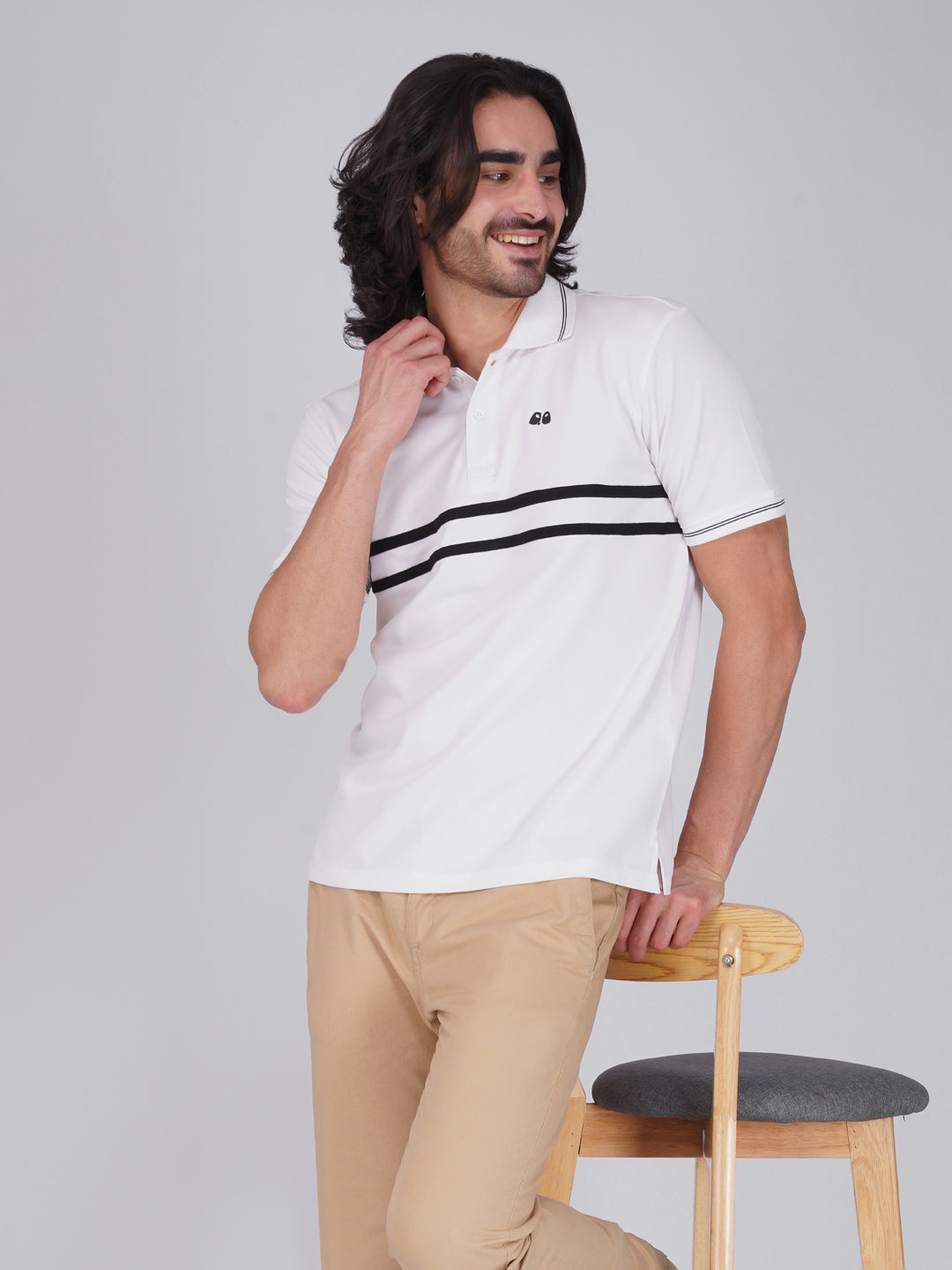
For a few years, polos kept getting busier - chest pockets, contrast panels, embroidered logos, stripes stacked on stripes. 2026 has quietly reversed that direction. The polo having a genuine moment right now is the opposite of all that: a clean front, no pocket, no visual clutter, just a well-cut silhouette and good fabric doing the talking. It's a shift worth understanding, because it changes what's actually worth buying.
This breaks down why minimalist, no-pocket polos are trending, what makes the design work, and what to actually check in the fabric now that there's nowhere for a busy print to hide a weaker base layer.
Why Minimalist Polos Are Having a Moment
Smart-Casual Has Replaced Formal in More Workplaces
As more Indian offices settle into genuine business-casual dress codes rather than strict formal wear, the polo has become the default middle-ground garment - and a clean, minimal design reads more polished and professional than one crowded with pockets, logos, or contrast panels.
Fewer Design Elements Means Fewer Things to Age Badly
A chest pocket or a bold stripe pattern can look dated within a couple of seasons. A clean-front, no-pocket polo in a solid or subtly textured fabric doesn't carry the same risk - it's closer to a design classic than a trend-driven piece, which is part of why it's resurging now as shoppers lean toward pieces with longer wearable lifespans.
It Signals Quality Differently
When there's no pocket, no embroidery, and no busy print to distract from the garment, the silhouette and fabric quality become the entire story. This is precisely why minimalist design is trending alongside, not despite, rising expectations around fabric performance - a clean-front polo has nothing to hide behind.
What Actually Defines a Minimalist, No-Pocket Polo
Clean Silhouette Over Decoration
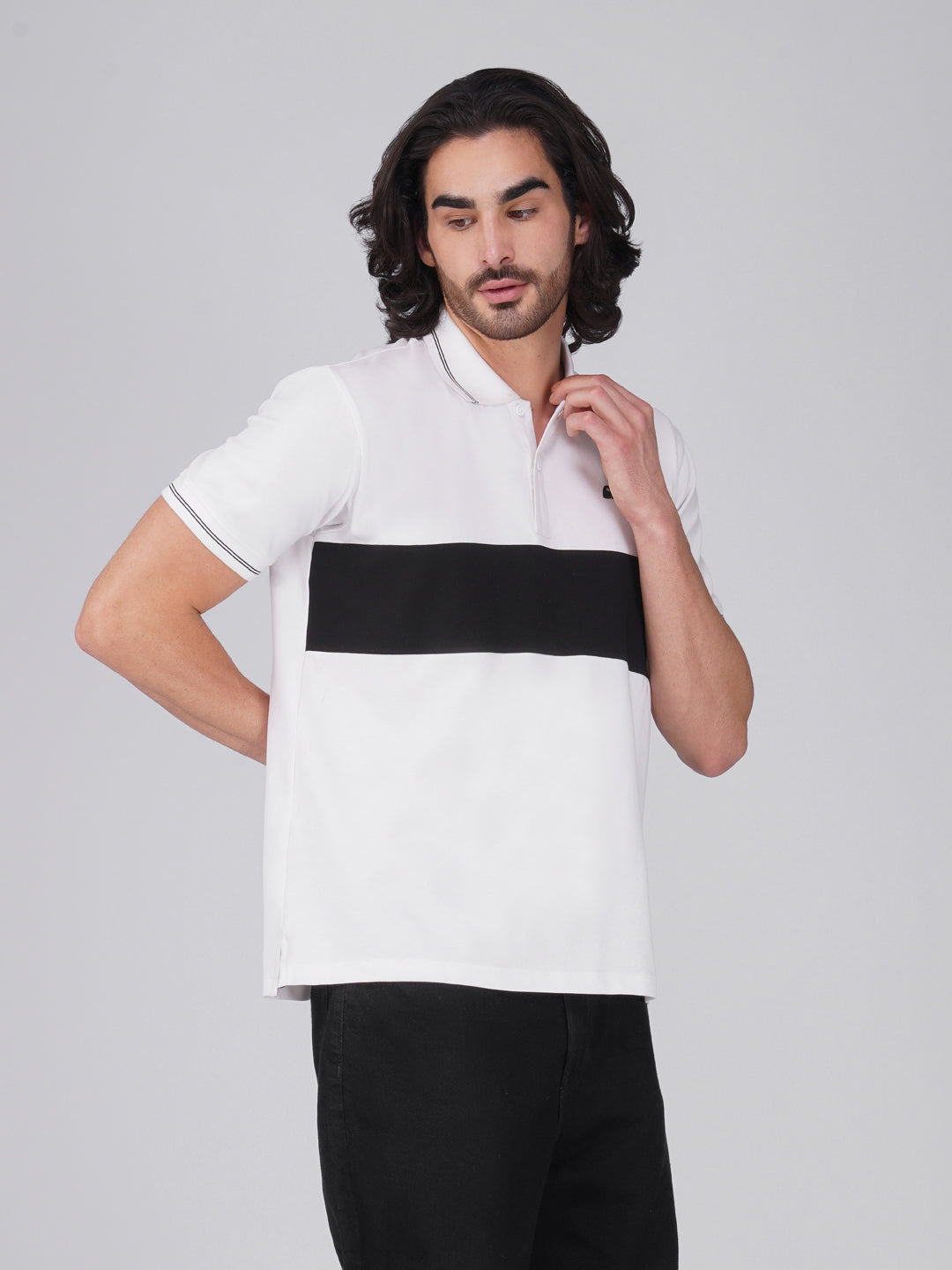
The defining feature is restraint: a simple collar, a short three-button placket, no chest pocket, and minimal or no visible branding beyond a small, tasteful logo if any. The visual interest comes from fit and fabric texture rather than added elements.
Tailored, Not Boxy
A minimalist design only works when the cut is genuinely well-proportioned - clean through the shoulders, not overly slim or boxy, with a length that sits around mid-hip. A clean-front polo in a poor fit looks unfinished rather than minimal.
Subtle Texture Instead of Print
Many of this season's minimalist polos lean on pique's natural woven texture, or very fine tonal detailing, to add visual interest without resorting to graphics or colour-blocking. The texture does quiet work that a busy print used to do loudly.
The Colour Palette Driving This Trend
Deep, Confident Solids
Deep red, emerald green, dusty blue, and pure white are among the shades currently leading this minimalist wave - confident, single-note colours that don't need a pattern to feel considered.
Why Solids Suit the No-Pocket Design
A no-pocket front relies entirely on colour and fabric quality to hold visual interest, which is exactly why solid, well-saturated shades are doing more work in this trend than prints ever could.
What to Check When Buying a Minimalist Polo
Fabric Weight Matters More Than Ever
With no pocket or panel to add structure, the fabric itself has to carry the entire silhouette. A pique weight around 210 GSM (±5%), like VanDee's, holds collar and shoulder shape cleanly - exactly the kind of structure a minimalist design depends on to look intentional rather than flat.
Certification Over Marketing Language
Since a minimalist polo is judged almost entirely on fabric quality, it's worth checking for a named certification - GOTS v7.0, for instance - rather than a vague "premium cotton" claim. A clean design invites closer scrutiny of what's actually underneath it.
Finishes That Protect a Solid Colour
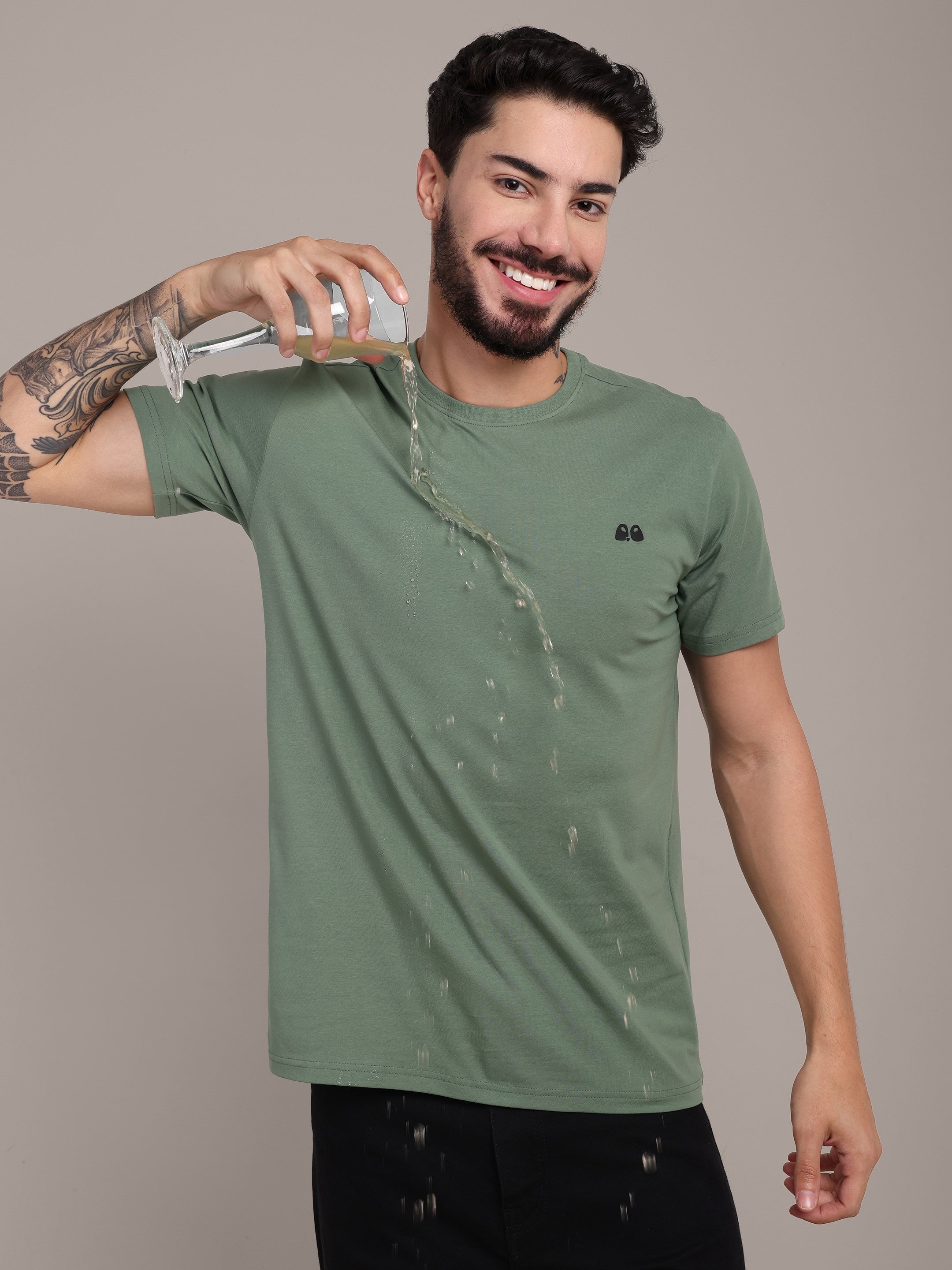
A solid-colour, no-pocket polo shows every stain and odour issue more visibly than a busy print would, since there's nothing to distract from a mark. A genuine Stain-Release Care Finish and an All-Day Freshness Finish - tested under JIS L 1902:2015 for bacterial-reduction performance - matter more here than on a pattern-heavy piece.
Styling a Minimalist Polo
Let the Fabric and Fit Speak
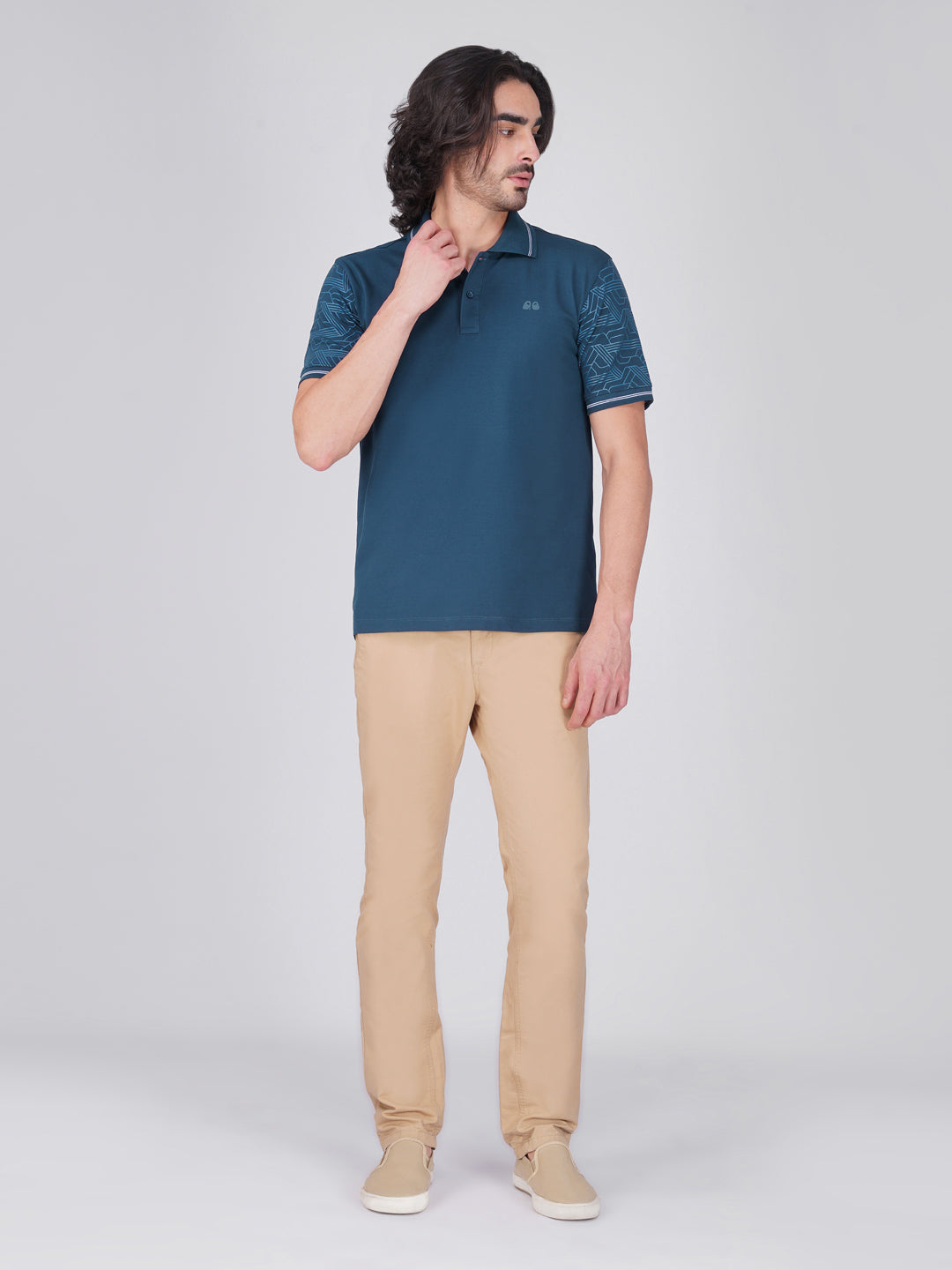
Pair a clean-front polo with equally simple pieces - tailored trousers or well-fitted chinos, minimal leather shoes or clean sneakers. The whole point of this trend is restraint, so resist layering on accessories or patterns that compete with it.
One Colour, Multiple Registers
A deep solid like emerald or navy works tucked into trousers for the office, and equally well untucked over jeans for the weekend - the same minimalist piece simply shifts register through tuck status and footwear, without needing a different design.
My VanDee Polo T-Shirt: Minimalism That Holds Up
A VanDee Classic Polo in a solid deep shade is a clear example of this trend done right - a clean, no-pocket front built on GOTS v7.0-certified, 210 GSM organic cotton pique, with nothing to distract from fit or fabric quality. Because the design is this restrained, the Stain-Release and All-Day Freshness finishes do more visible work than they would on a busier piece - a solid navy or emerald polo that stays mark-free and fresh through a full day looks exactly as considered as it's meant to.
Why This Trend Has Staying Power
It's Not Really New - It's a Return
Minimalist, no-pocket polos aren't a fleeting micro-trend; they're closer to a return to the garment's original, simplest form. That's part of why the current resurgence feels less like a passing fashion moment and more like a genuine recalibration toward timeless basics.
It Rewards Buying Fewer, Better Pieces
Because a clean-front polo in a good solid colour doesn't date the way a printed or heavily branded piece does, it suits a smaller, more deliberate wardrobe - fewer pieces, each one chosen for fabric and fit rather than a passing print trend.
Care Tips to Keep a Minimalist Polo Looking Sharp
Wash cold (30°C or below) and inside-out to protect the solid colour from fading unevenly, and skip fabric softener, which dulls both colour vibrancy and the stain-release and freshness finishes over time. Dry in shade to prevent the kind of patchy fading that would be especially visible on an unpatterned, solid-colour garment.
Conclusion
The minimalist, no-pocket polo trend isn't about doing less - it's about putting the attention back where it belongs: fit and fabric. With no pocket, print, or panel to hide behind, a clean-front polo only works when the cut is genuinely well-proportioned and the fabric is genuinely well-made, certified, and finished. That's precisely why this trend favours fewer, better-chosen pieces over a closet full of passing patterns.
Read More:- 5 Best T-Shirt Colours Every Man Should Own in 2026
FAQs
1. Why are no-pocket polos trending over pocketed designs in 2026?
Clean-front, no-pocket designs read more polished for smart-casual workplaces and tend to age better stylistically than pocketed or heavily branded designs, which is driving their current resurgence.
2. Does a minimalist polo need better fabric quality than a printed one?
Generally yes, since there's no pattern or added element to distract from fabric and fit. A clean-front design is judged almost entirely on how well the base fabric and construction hold up, making certification and finish quality more important.
3. What colours are trending for minimalist polos right now?
Deep red, emerald green, dusty blue, and pure white are among the currently trending shades, favouring confident, single-note solids over prints or multi-colour combinations.
4. Is a minimalist polo appropriate for office wear?
Yes - in fact, a clean, no-pocket polo in a solid, well-fitted cut is generally considered more office-appropriate than a busier, pocketed, or heavily logoed design in most business-casual settings.
5. How do I keep a solid-colour polo from showing stains and odour more visibly?
Choose a polo with a genuine Stain-Release Care Finish and an All-Day Freshness Finish, since a solid colour shows marks and odour-related fading more visibly than a patterned design with nothing to distract from them.