Cart
0


Every "anti-stain" claim sounds convincing on a product page. It's a lot less convincing when you're standing in a meeting room with a coffee stain spreading across your chest, wondering if the fabric tag was telling the truth. So instead of taking the claim at face value, this breaks down exactly what happens when coffee actually meets a VanDee polo - the mechanism behind it, what the testing standards say, and what to realistically expect from a spill at your own desk tomorrow.
Why Coffee Is the Toughest Everyday Stain Test
It's Not Just Liquid - It's Pigment and Oil Together
Coffee is one of the more stubborn everyday stains because it combines water-based pigment (tannins) with a small amount of natural oil. Water alone would be relatively easy for most fabrics to shed; the oil content is what helps pigment cling to cotton fibres and set in, especially once it dries.
It's Also the Most Common Office Accident
Coffee spills are disproportionately common precisely because coffee is disproportionately present - desks, meetings, commutes, and cafés all put a cup near a collar multiple times a day. If a fabric finish can't handle coffee specifically, it's failing at the single most frequent real-world test it will face.
What "Stain-Release" Actually Means (And What It Doesn't)
Release, Not Repel
VanDee's Stain-Release Care Finish doesn't stop coffee from touching the fabric - it changes how strongly the stain particles bond to the cotton surface once they do. Instead of pigment locking into the fibre, it sits on the surface in a way that lets it lift out more easily during a normal wash.
Why This Matters More Than "Stain-Proof" Marketing
No genuinely honest fabric claims to be stain-proof - a word VanDee explicitly avoids because it overpromises. Extremely aggressive stains like permanent ink or certain dyes can still mark any fabric. What the finish is built for is exactly this kind of everyday accident: coffee, tea, sauce, oil - the spills that happen constantly, not the rare, extreme ones.
The Coffee Spill Test: What Actually Happens
Moment of Impact
When coffee lands on a VanDee polo's Stain-Release Care Finish, the liquid doesn't immediately soak into the fibre the way it would on untreated cotton. There's a brief window where the coffee sits closer to the surface rather than instantly saturating the yarn - this is the practical window where quick action matters most.
The First 60 Seconds Matter Most
The correct response to a fresh coffee spill is to blot - not rub - with a clean tissue, working from the edge of the stain inward. Rubbing pushes pigment deeper into the fibres regardless of what finish is on the fabric; blotting lifts what's still sitting on the surface before it has a chance to set.
What Happens in the Wash
This is where the Stain-Release Finish does its real work. Because the coffee's pigment hasn't bonded tightly to the fibre, a normal cold wash - 30°C or below, mild detergent - is generally enough to lift the stain out completely, without needing aggressive scrubbing, hot water, or specialised stain removers.
What Happens If You Wait Too Long
Letting a coffee stain sit for hours, or running it through a hot wash before treating it, gives the pigment more time to bond with the fibre - a disadvantage no fabric finish can fully reverse. Fresh treatment always outperforms delayed treatment, finish or no finish.
Why the Fabric Underneath Matters Just as Much
Combed Organic Cotton Holds the Finish Better
A stain-release treatment is only as effective as the fabric it's applied to. VanDee's polos are built on GOTS v7.0-certified, combed organic cotton - combing removes shorter, weaker fibres before spinning, producing a smoother yarn surface that holds the stain-release treatment more evenly than rougher, carded cotton.
Fabric Weight Affects How Deep a Stain Can Travel
At 210 GSM (±5%), VanDee's pique fabric is dense enough that a spill has less immediate depth to penetrate compared to a thin, low-GSM knit - giving the Stain-Release Finish a genuine structural advantage, not just a chemical one.
My VanDee Polo T-Shirt: A Real Coffee Spill Scenario
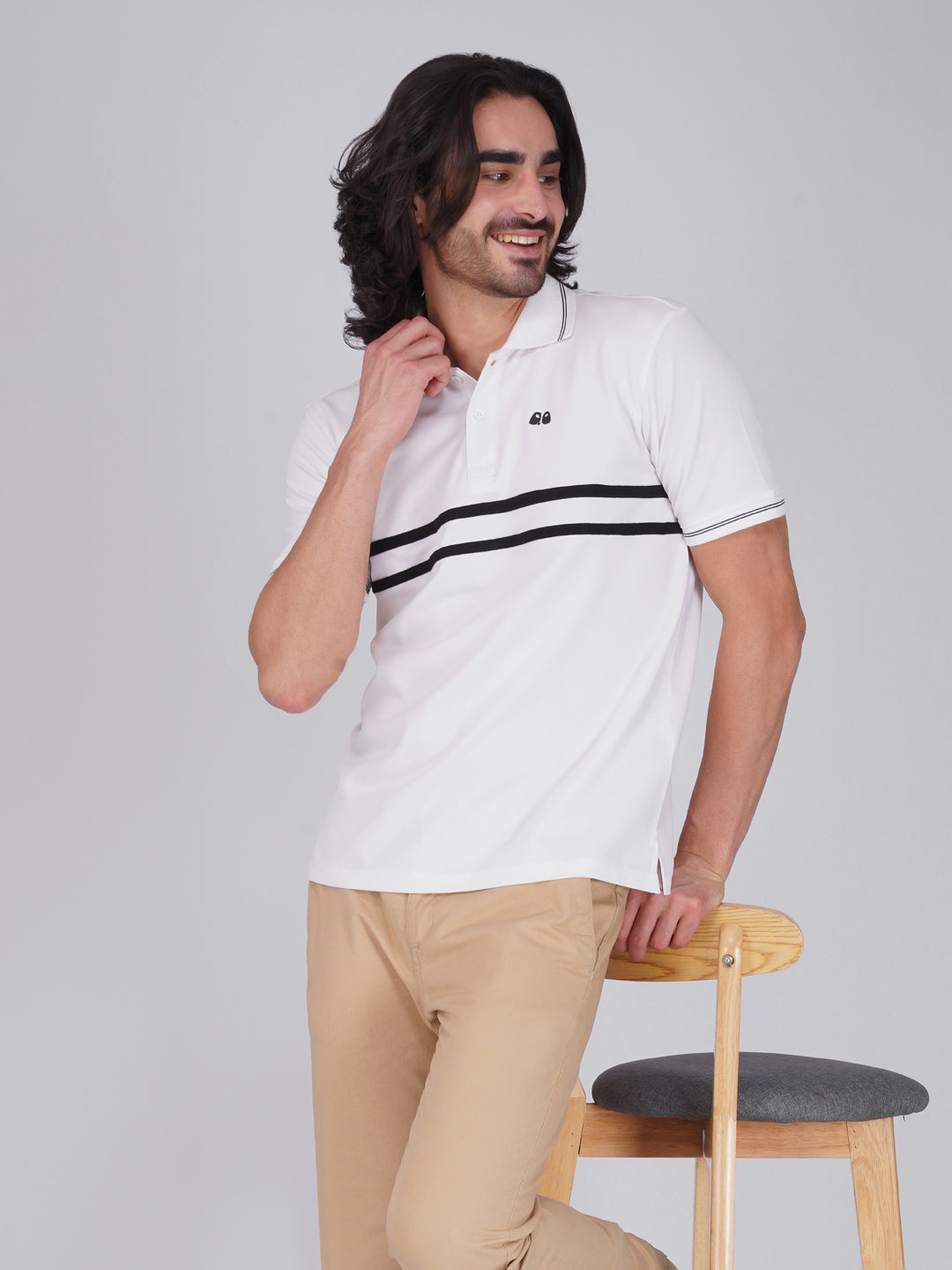
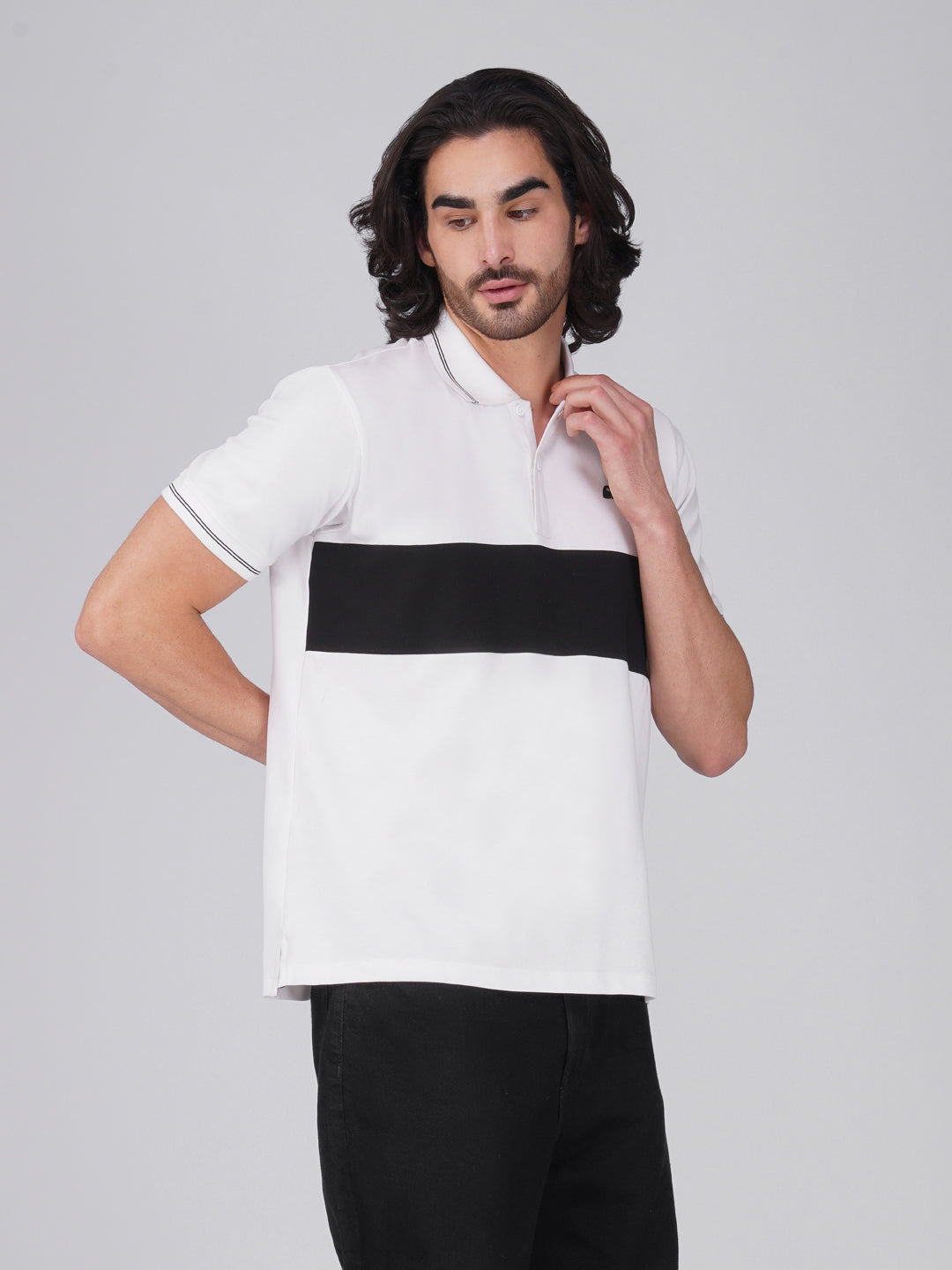
Picture the scenario most office workers will recognise instantly: a rushed morning, a full cup of coffee, an elbow bump near the desk, and a splash landing squarely on the chest of a VanDee Organic Cotton Polo. Blotted immediately with a tissue and washed normally that same evening in cold water, the stain lifts out completely - no separate stain remover, no hot-water soak, no scrubbing. That's the entire point of a VanDee Anti-Stain Polo: it's built to survive exactly this ordinary, extremely common accident without ending the shirt's useful life.
What the Coffee Spill Test Doesn't Promise
It's Not a Substitute for Basic Care
Even with a genuine Stain-Release Finish, ignoring a coffee spill for days, using hot water, or adding fabric softener (which coats fibres and dulls the finish's performance over time) will reduce how well the fabric performs. The finish is a genuine advantage - not a replacement for basic stain-care habits.
It Won't Undo Years of Wear
A finish's stain-release performance is strongest on well-maintained fabric. A polo that's been washed in hot water repeatedly, or treated with fabric softener over a long period, will gradually lose some of its stain-release effectiveness - which is exactly why the care instructions matter as much as the finish itself.
How to Handle Any Spill for Best Results
Blot immediately with a clean tissue, working from the stain's edge inward rather than the centre out. Dab with plain water if needed to loosen the area further. Wash normally that same day in cold water (30°C or below), inside-out, with a mild detergent - no bleach, no fabric softener. Dry in shade rather than direct sun.
Conclusion
A coffee spill is the most realistic, most common test any "anti-stain" claim will ever face - and it's exactly the scenario VanDee's Stain-Release Care Finish is built around. The science is straightforward: the finish loosens how tightly pigment bonds to the fibre, combed organic cotton holds that treatment more evenly, and a prompt blot-and-cold-wash routine does the rest. No fabric is stain-proof, but a well-made, well-finished polo genuinely changes the outcome of the accident that happens to almost everyone eventually.
Explore VanDee's Organic Polo collection - GOTS v7.0-certified cotton with a genuine Stain-Release Care Finish, built for exactly this kind of everyday accident.
FAQs
1. Can VanDee polos really survive a coffee spill without staining?
In most everyday cases, yes - the Stain-Release Care Finish is specifically designed for spills like coffee, tea, and sauce, allowing them to lift out in a normal cold wash rather than setting permanently, provided the spill is blotted and washed reasonably promptly.
2. Should I rub or blot a fresh coffee stain?
Always blot, never rub. Rubbing drives coffee's pigment deeper into the fibres regardless of the fabric's finish, while blotting lifts the stain off the surface where the Stain-Release treatment is designed to work most effectively.
3. Does hot water help remove coffee stains faster?
No - cold water (30°C or below) is recommended specifically because hot water can help set certain stains further into the fibre and can also reduce the effectiveness of the fabric's stain-release and freshness finishes over time.
4. Is VanDee's Stain-Release Finish the same as being stain-proof?
No, and VanDee deliberately avoids that claim. Stain-release means everyday stains come out more easily in a normal wash; it does not mean the fabric is immune to marking from extremely aggressive substances like permanent ink or certain dyes.
5. Does fabric softener affect how well a polo resists coffee stains?
Yes, negatively. Fabric softener coats fibres with a residue that can reduce the effectiveness of the Stain-Release Care Finish over time, so it's best avoided if you want the finish to keep performing as intended.