Cart
0


"Anti-stain" has become one of the most overused words on a t-shirt tag. Scroll through any online store and half the polos claim some version of it - yet the actual performance varies wildly between brands. Some genuinely release everyday spills in a normal wash. Others just have a slippery synthetic coating that wears off after three washes and leaves you with a regular, stain-prone shirt that cost more than it should have.
This guide walks through exactly what to check before buying an anti-stain polo, so you're paying for real fabric technology - not a marketing word on a swing tag.
What "Anti-Stain" Actually Means
Stain-Release vs Stain-Repellent - They're Not the Same Thing
Before checking anything else, understand which type of technology you're actually buying.
A stain-repellent finish stops liquid from soaking into the fabric at all - it beads up and rolls off, similar to a water-repellent coating. A stain-release finish works differently: it allows the stain to sit on the fibre surface rather than binding into it, so the mark lifts out easily during a normal wash instead of setting in permanently. VanDee's polos use a Stain-Release Care Finish, which is built specifically for real accidents - chai spills, curry splashes, oil marks - that happen mid-wear and need to come out later, not repel instantly.
Neither type makes a fabric "stain-proof." No fabric is. Be wary of any brand that claims otherwise.
What to Check Before You Buy
1. Ask What the Finish Is Actually Tested Against
A genuine stain-release or stain-repellent finish should be backed by a recognised textile test, not just a product description. For water-repellent claims specifically, look for AATCC 22 spray-rating test data - VanDee's water-repellent styles, for instance, are tested to an AATCC 22 rating of 90, meaning documented, lab-verified performance rather than an assumption.
2. Check the Base Fabric Quality, Not Just the Finish
A stain-release finish is only as good as the fabric underneath it. A thin, low-GSM pique will pill, lose shape, and dull the finish faster than a well-constructed one. Look for a pique polo in the 200–220 GSM range - VanDee's polos are built at 210 GSM (±5%) organic cotton pique, heavy enough to hold structure at the collar and shoulders while still breathing comfortably.
3. Verify the Cotton Itself Is Certified, Not Just "Natural"
"Natural cotton" and "organic cotton" are not interchangeable claims - only the second is verifiable. Check for a specific certification, like GOTS v7.0, rather than a vague sustainability statement on the label. Certified organic cotton also tends to be combed rather than carded, which means a softer hand-feel and fewer loose fibres that trap odour and residue.
4. Look for Harmful-Substance Testing on the Finished Fabric
A stain-release chemical finish is applied on top of the base fabric, so it's worth checking that the finished product - not just the raw fibre - has been tested for skin safety. OEKO-TEX Standard 100 Class I is the strictest class in that certification, originally set for baby and toddler textiles, and it applies to the treated fabric as a whole, finishes included.
5. Check Whether the Finish Survives Regular Washing
Ask (or check the product page/FAQ) how many wash cycles the finish is rated to withstand, and what wash conditions are recommended. A finish that fades after five washes isn't worth paying extra for. Look for explicit wash-care guidance - cold wash, no fabric softener - since a brand that gives you these specifics is usually one that's actually tested durability, not guessed at it.
6. Match the Fit to How You'll Actually Wear It
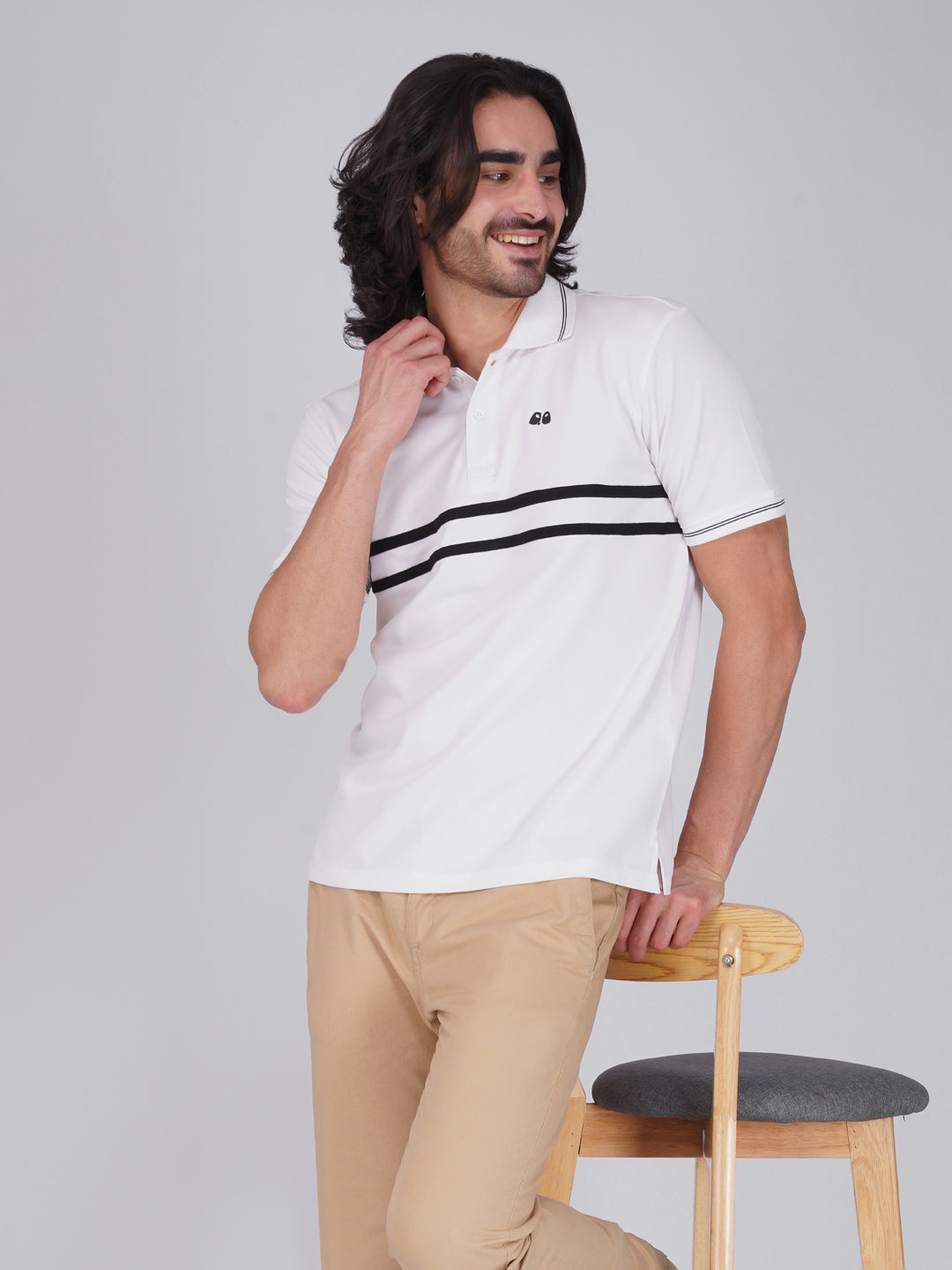
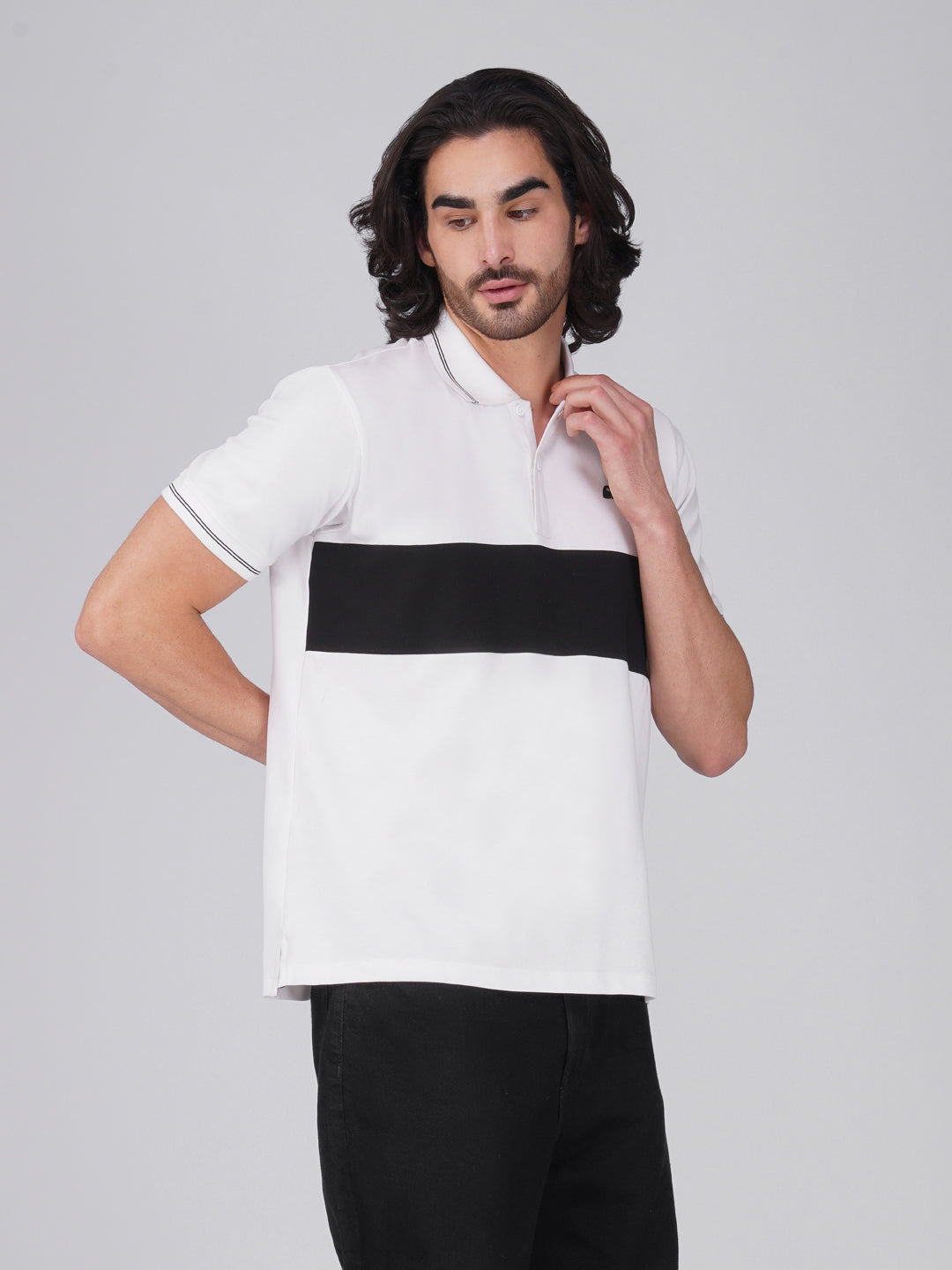
Anti-stain technology matters most in situations where accidents are likely - office lunches, café meetings, daily commutes. For that reason, buy a fit built for those settings: a tailored regular fit that sits clean through the shoulders and ends around mid-hip, rather than an overly slim cut that restricts movement or an oversized one that looks sloppy under a jacket.
7. Check If It Also Handles Odour, Not Just Stains
Stains aren't the only everyday fabric problem. If you're already paying a premium for a performance finish, check whether the polo also includes an anti-odour treatment. VanDee pairs its Stain-Release Finish with an All-Day Freshness Finish, tested under JIS L 1902:2015 at an accredited textile lab for bacterial-reduction performance - so one polo handles both common failure points of a regular workday.
My VanDee Polo T-Shirt: What This Looks Like in Practice
A typical VanDee Anti-Stain Polo goes through a full day the way any good polo should - worn to a morning meeting, through lunch, and into an evening commute. When a stray drop of dal or coffee lands on the placket, the Stain-Release Finish means it lifts out in a normal cold wash instead of setting into the 210 GSM organic cotton pique. Because the fabric is also GOTS v7.0 certified and OEKO-TEX Class I tested, none of that performance comes at the cost of skin comfort. That combination - verified fabric, verified finish, verified testing - is what separates a genuine anti-stain polo from one that just says so on the tag.
Care Tips to Protect the Finish
Even a well-tested finish needs correct care to last. Wash cold (30°C or below), turn the polo inside-out, and skip fabric softener, which coats fibres and gradually dulls both stain-release and anti-odour performance. Air dry in shade rather than direct sun to protect colour and the collar's shape.
Conclusion
An anti-stain polo is only worth the price premium if the claim behind it is verifiable - a named finish type, a real test standard, a solid base fabric, and certification for both the cotton and the chemical safety of the finish. Skip vague "eco" or "anti-stain" language and look for the specifics: GSM, certification names, test standards, and wash-care guidance. Get those five things right, and you're buying genuine fabric technology, not just a tag.
Explore VanDee's Anti-Stain Polo collection - GOTS v7.0 certified organic cotton, 210 GSM pique, with tested Stain-Release and All-Day Freshness finishes built in.
FAQs
1. Is an anti-stain polo really stain-proof?
No fabric is truly stain-proof. A genuine anti-stain finish is either stain-repellent (liquid beads and rolls off) or stain-release (marks lift out easily in a normal wash), and both meaningfully reduce staining - but neither guarantees a permanent mark will never happen.
2. How can I tell if an anti-stain claim is genuine before buying?
Check for a specific, named test standard - like AATCC 22 for water-repellency - rather than just marketing language. Brands with real lab-tested finishes usually disclose the exact test and rating, not just the word "anti-stain."
3. Does washing reduce the anti-stain effect over time?
It can, especially with harsh detergents, hot water, or fabric softener. Cold washing, skipping softener, and following the brand's specific care instructions helps a genuine finish last significantly longer.
4. Is a heavier GSM polo always better for stain resistance?
Not automatically, but a well-constructed 200–220 GSM pique holds a stain-release finish more effectively and resists pilling better than thin, low-GSM fabric, which makes heavier weights the safer choice for performance polos.
5. Are anti-stain and anti-odour the same finish?
No, they're separate treatments that target different problems - one addresses liquid stains, the other addresses bacterial odour buildup. Some polos, like VanDee's, combine both finishes on the same garment, but it's worth confirming a product includes both rather than assuming.