Cart
0

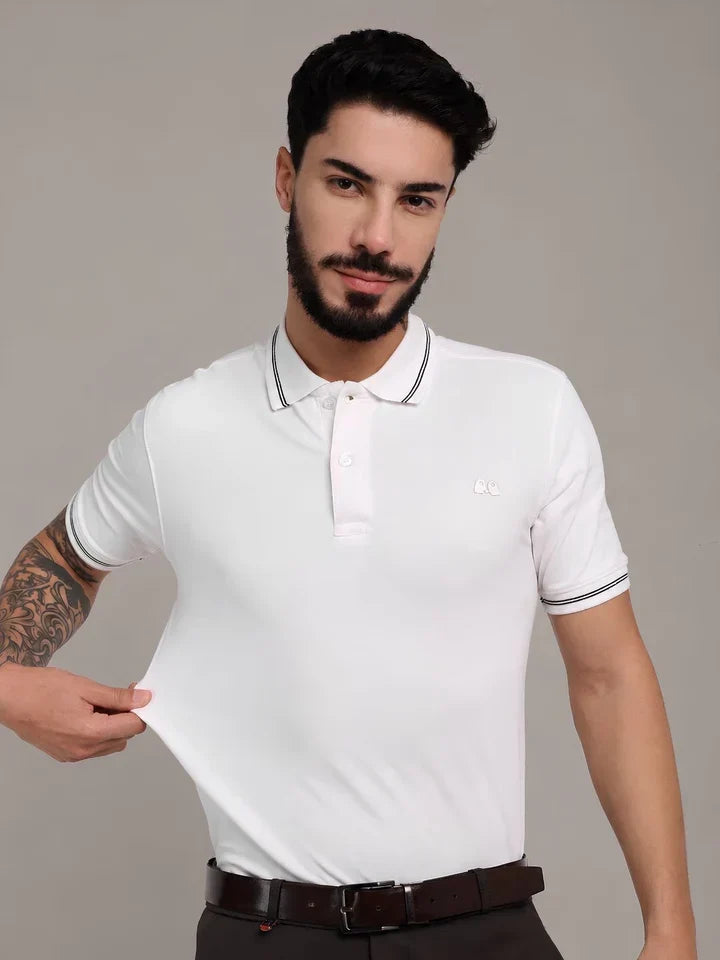
Indian summers don't leave much room for wardrobe mistakes. The wrong fabric can mean a sticky, uncomfortable day by 11 AM, no matter how good the shirt looked on the hanger. Two fabrics consistently come up in this conversation - linen and cotton - and both have genuine strengths, which is exactly why the choice isn't as obvious as it seems.
This guide compares linen and cotton polos head-to-head across the things that actually matter in peak summer heat: breathability, comfort, upkeep, and how each holds up to a real Indian workday. By the end, you'll know which one belongs in your rotation - and when the other one still earns its place.
Understanding the Two Fabrics
What Makes Linen Different
Linen is a natural fibre made from the flax plant, known for being exceptionally breathable and lightweight. Its slightly looser weave allows more airflow against the skin than a typical knit, which is why it has a reputation as one of the coolest fabrics available for hot weather.
What Makes Cotton Polo Fabric Different
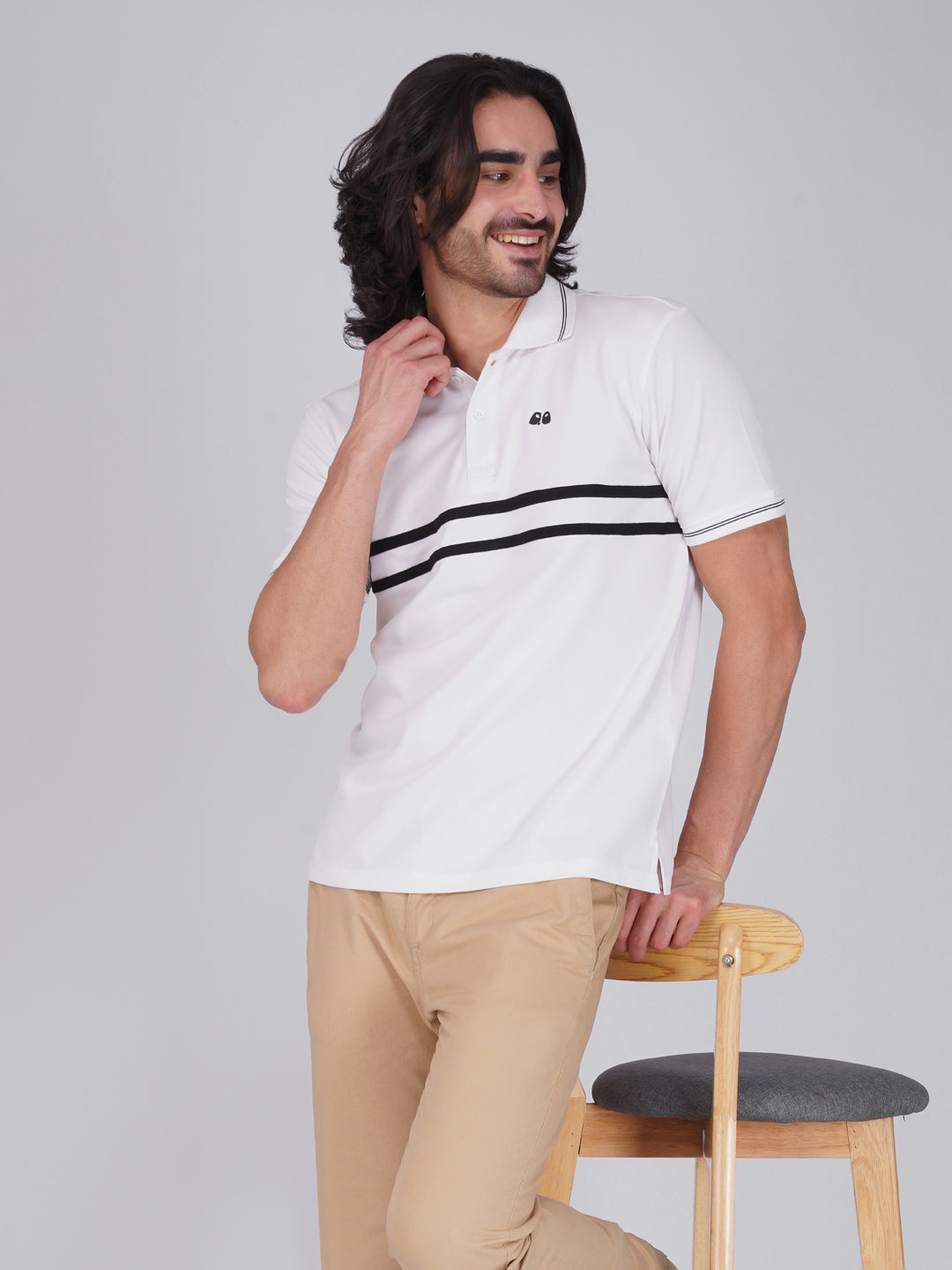
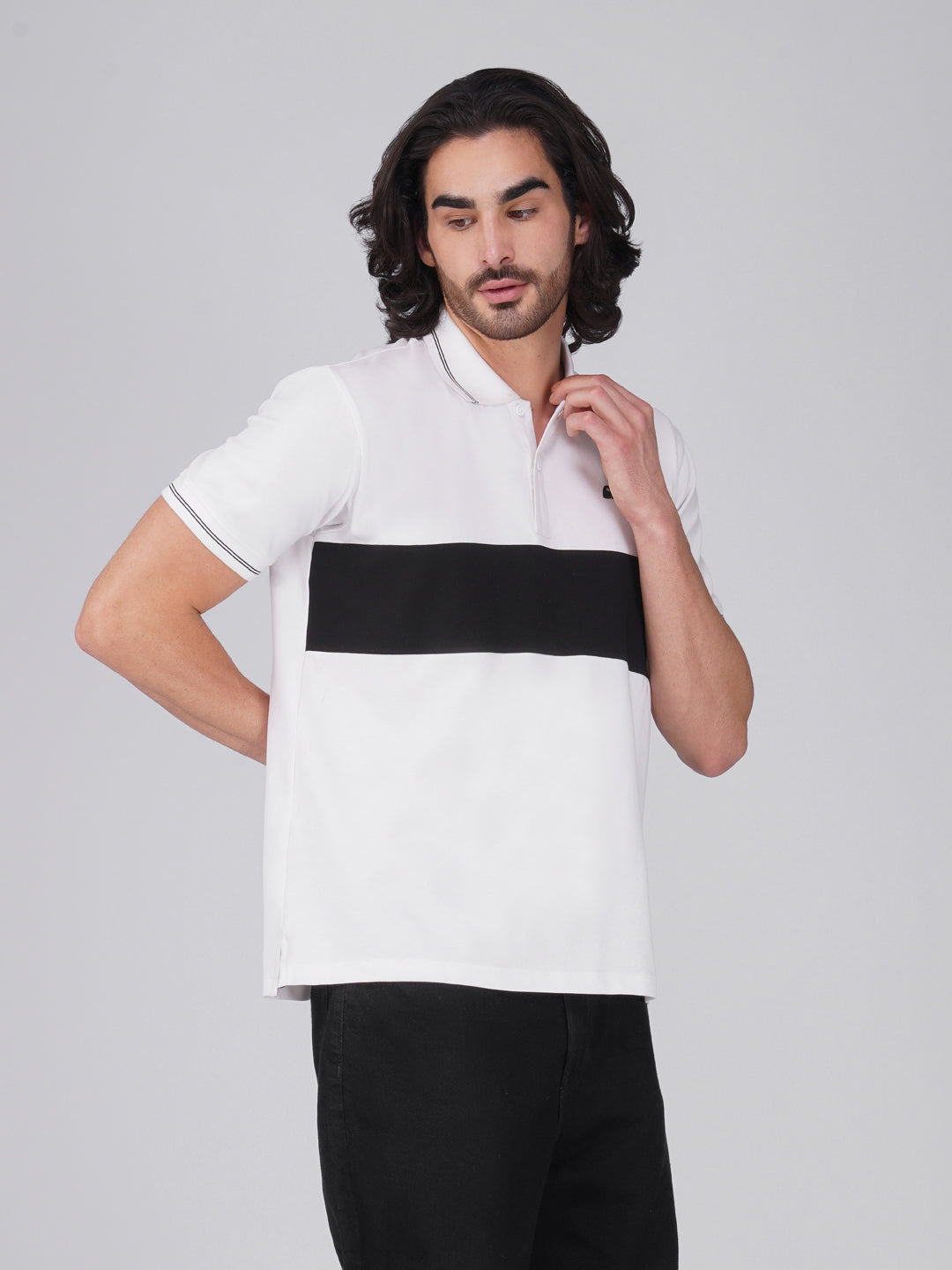
A cotton polo, particularly one knitted in pique - a textured weave with small raised patterns - sits between linen's airiness and a plain jersey tee's softness. It's more structured than linen, holds a collar shape better, and is generally more resistant to everyday wear and tear.
Breathability: The Summer Essential
Linen's Natural Advantage
Linen fibres are hollow, which allows them to absorb moisture and release it quickly, keeping the fabric feeling cool and dry against skin even in humid conditions. This is linen's single biggest advantage in peak summer heat, especially on the most punishing, high-humidity days.
Cotton's Balanced Approach
Cotton, especially combed organic cotton, also absorbs and releases moisture effectively, though typically at a slightly denser weave than linen. A well-constructed organic cotton polo - VanDee's is built at 210 GSM (±5%) pique - stays breathable enough for most summer days while offering more structure than linen provides.
Verdict: For pure breathability on the hottest days, linen edges ahead. For a balance of breathability and structure, cotton pique holds its own.
Comfort and Feel Against Skin
Linen: Airy but Textured
Linen has a slightly coarser, more textured hand-feel than cotton, which softens with repeated washing but never gets quite as soft as cotton does. Some people love this textured, relaxed feel; others find it less comfortable against skin for a full workday.
Cotton: Consistently Soft
Combed organic cotton offers a smoother, more consistent softness from the first wear, since combing removes shorter, coarser fibres before spinning. For all-day comfort, especially in a fitted polo, cotton generally has the edge for sensitive skin or longer wear periods.
Structure, Fit, and How Each Holds Its Shape
Linen Wrinkles - By Design
Linen creases easily, and this is considered part of its character rather than a flaw - a slightly rumpled linen polo still reads relaxed and intentional. That said, it doesn't hold a crisp collar shape the way a structured pique fabric does, which matters if you need a sharper look.
Cotton Pique Holds Structure All Day
A cotton pique polo, particularly at a proper weight like VanDee's 210 GSM, keeps its collar and shoulder shape through a full day far better than linen. If your summer includes office meetings or client-facing settings where a crisp collar matters, cotton pique is the more dependable choice.
Durability and Everyday Practicality
Linen Needs Gentler Handling
Linen fibres, while strong, can weaken faster with rough handling, harsh detergents, or frequent high-heat drying. It also tends to show sweat marks and stains more visibly than a treated cotton fabric, since linen typically doesn't come with a stain-release finish.
Cotton with the Right Finish Handles Real Life Better
This is where a genuine care finish changes the practical math. A VanDee Organic Cotton Polo with a Stain-Release Care Finish means everyday summer accidents - a spilled cold drink, a chai splash - lift out in a normal wash instead of setting into the fabric. Paired with an All-Day Freshness Finish, tested under JIS L 1902:2015 for bacterial-reduction performance, the same polo also resists the sweaty-day odour that summer heat makes almost inevitable.
When to Choose Linen
Linen genuinely shines on the most humid, punishing days - think coastal cities, peak monsoon-adjacent humidity, or travel to hot, muggy destinations where maximum airflow matters more than structure. It's also an excellent choice for relaxed, no-agenda weekends where a slightly creased, textured look fits the mood.
When to Choose Cotton
Cotton pique is the more dependable choice for anything involving a full workday, client meetings, or situations where you need the polo to look put-together from 9 AM to 7 PM. It's also the better pick if stains and odour are a real concern - a VanDee Anti-Odour Polo built with both Stain-Release and All-Day Freshness finishes is engineered specifically for exactly this kind of long, unpredictable summer day.
My VanDee Polo T-Shirt: The Practical Summer Test
Picture two identical Tuesdays: one in a linen polo, one in a VanDee Organic Cotton Polo. The linen version feels airy from the first hour, but by lunch it's visibly creased, and a chai splash on the placket needs immediate attention or risks staining.
The VanDee cotton polo, at 210 GSM pique with a Stain-Release Finish, holds its collar shape through back-to-back meetings, and that same chai splash lifts out easily in the evening wash. By 6 PM, the All-Day Freshness Finish means it still smells the way it did at 9 AM. Neither fabric is "wrong" - they're simply built for different kinds of summer days.
Care Tips for Both Fabrics
Linen Care
Wash linen in cold water, avoid wringing it out (which sets deep creases), and air dry rather than tumble dry to protect the fibres. A light iron on a damp linen polo restores a cleaner look without over-flattening its natural texture.
Cotton Care
Wash cold (30°C or below), inside-out, and skip fabric softener, which coats fibres and dulls both stain-release and anti-odour performance over time. Dry in shade rather than direct sun to protect colour and the collar's structure.
Conclusion
Neither linen nor cotton wins outright for summer - they simply solve different problems. Linen offers unmatched airiness for the most humid days and a relaxed, textured look for downtime.
Cotton pique, especially with genuine Stain-Release and All-Day Freshness finishes, offers structure, durability, and reliable all-day performance for real workdays. The smartest summer wardrobe usually has room for both.
Explore VanDee's Organic Polo collection for GOTS-certified cotton pique built for all-day summer performance, or browse Everyday Basics for lighter, breathable styles suited to warmer days.
FAQs
1. Is linen or cotton better for hot, humid weather?
Linen generally has a slight edge in extreme humidity due to its looser weave and faster moisture release, though a well-made, breathable organic cotton polo performs very close behind while offering more structure.
2. Does linen wrinkle more than cotton?
Yes, significantly. Wrinkling is a natural characteristic of linen fibres and is generally considered part of its relaxed aesthetic, whereas a structured cotton pique polo holds its shape with far fewer creases through the day.
3. Which fabric is more durable for daily wear - linen or cotton?
Cotton, particularly a well-constructed pique fabric, is generally more durable for frequent daily wear and handles machine washing better than linen, which needs gentler care to avoid fibre weakening over time.
4. Can a cotton polo really stay fresh all day in summer heat?
With a genuine anti-odour finish, yes. Fabric with an All-Day Freshness Finish, tested against bacterial growth under standards like JIS L 1902:2015, is specifically built to limit the odour buildup that summer heat and sweat typically cause.
5. Is a linen polo appropriate for office wear?
It depends on the workplace. Linen's relaxed, slightly creased look suits casual or creative offices well, but for business-casual or client-facing settings, a structured cotton pique polo generally reads more polished and professional.