Cart
0


A ₹399 t-shirt and a ₹1,299 t-shirt can look nearly identical on a hanger. The real difference only shows up six months later - one has lost its shape, faded, and started pilling, while the other still looks and feels the way it did on day one. Price alone doesn't tell you which is the smarter purchase. What matters is how long the garment actually lasts, and how much it costs you per wear across that lifespan.
This guide breaks down what determines a t-shirt's real lifespan, runs the actual cost-per-wear math, and explains why an organic cotton t-shirt built with the right fabric and finish is usually the cheaper option in the long run - even at a higher sticker price.
What Actually Determines How Long a T-Shirt Lasts
Fibre Quality Comes First
Not all cotton is equal. Combed organic cotton - where shorter, weaker fibres are removed before spinning - produces a stronger, smoother yarn than carded cotton, which resists pilling and holds its shape through repeated washes far better. Fast-fashion t-shirts often use shorter-staple, uncombed cotton blended with synthetic fillers to cut cost, which is exactly why they thin out and lose shape so quickly.
Fabric Weight (GSM) Matters More Than People Think
GSM (grams per square metre) is a rough proxy for durability. A t-shirt under 150 GSM will usually feel thin and see-through within a few washes. A round neck in the 180 GSM (±5%) range, like VanDee's, or a pique polo around 210 GSM (±5%), holds structure and resists stretching out at the collar and hem significantly longer than lighter fabric.
Construction Details You Can't See on a Hanger
Reinforced shoulder seams, properly ribbed collars, and double-stitched hems all extend a garment's working life, even though they rarely get mentioned on a product page. These details cost more to manufacture, which is part of why a well-made t-shirt is priced higher than a fast-fashion one - the extra cost is genuinely going into longevity, not just margin.
How You Wash It Changes Everything
Even the best-made t-shirt won't last if it's washed wrong. Hot water, harsh detergent, and fabric softener all accelerate fibre breakdown and fade colour faster than cold washing does. This is a genuinely controllable factor - care habits can add months, sometimes years, to a garment's usable life regardless of what you paid for it.
The Real Cost-Per-Wear Math
How to Calculate It
Cost-per-wear is simple: divide the purchase price by the total number of times you realistically wear the garment before it's no longer wearable (faded, stretched, stained, or worn thin).
Cost-per-wear = Price ÷ Number of wears
Round Neck vs Polo T-Shirt: Price Comparison
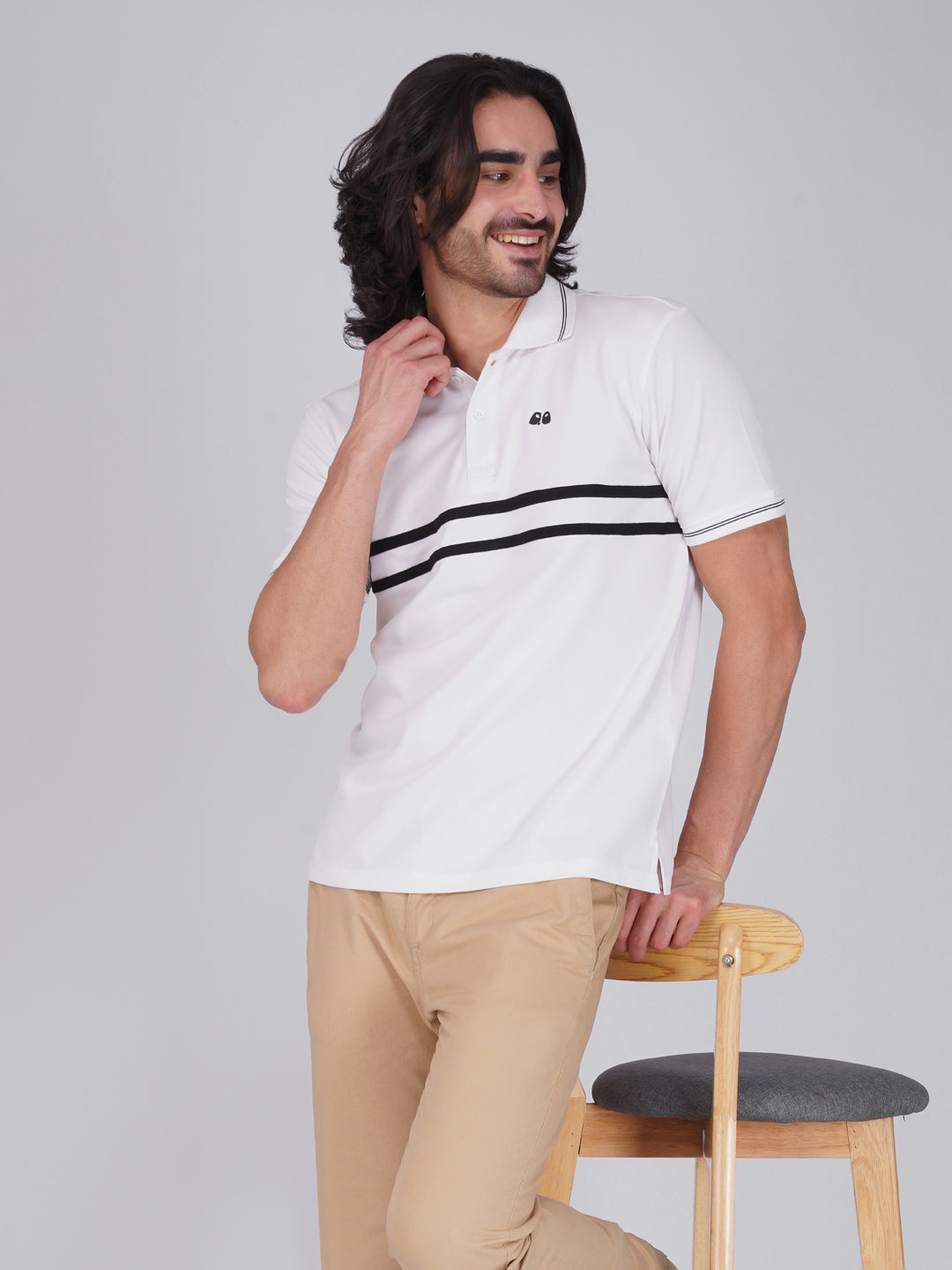
When comparing everyday T-shirts, the upfront price can be quite different. A Round Neck T-Shirt costs ₹999, while a Polo T-Shirt costs ₹1,500. The ₹501 difference comes down to the style, fabric construction, finish, and overall use case of each garment.
|
Feature |
Round Neck T-Shirt |
Polo T-Shirt |
|
Price |
₹999 |
₹1,500 |
|
Style |
Casual & relaxed |
Smart & versatile |
|
Best For |
Everyday wear |
Casual & semi-formal wear |
|
Price Difference |
— |
₹501 more |
Fast Fashion vs Quality Organic Cotton - A Side-by-Side Example
Take a ₹399 fast-fashion t-shirt that survives roughly 15–20 washes before it starts to look worn - call it 20 wears. That's ₹399 ÷ 20 = ₹19.95 per wear.
Now take a ₹1,299 well-made organic cotton T-shirt that holds its shape and colour through 100+ washes, roughly 150 wears over its working life. That's ₹1,299 ÷ 150 = ₹8.66 per wear.
Despite costing more than 3x upfront, the organic cotton t-shirt ends up costing less than half per wear - and that's before accounting for the fact that most people replace a worn-out fast-fashion tee with another one, repeating the cycle (and the spend) multiple times over the same period a single quality t-shirt would still be in rotation.
Why This Math Usually Favours Quality
The gap widens further when you factor in re-wearability between washes. A t-shirt with a genuine anti-odour finish can often be worn more than once before it needs washing, which both extends its wash-cycle lifespan and reduces water and detergent use - a factor fast-fashion cotton, without any finish, simply doesn't offer.
What Actually Shortens a T-Shirt's Life (And How to Prevent It)
Overwashing
Every wash cycle mechanically stresses fibres, fades dye, and can loosen the knit structure. Washing after every single light wear - rather than airing out and re-wearing when appropriate - is one of the fastest ways to shorten a t-shirt's usable life.
Heat Damage
Hot water and high-heat drying are two of the biggest accelerants of fabric breakdown. Cold washing (30°C or below) and shade-drying protect both colour and fibre integrity significantly better than convenience settings.
Fabric Softener
Fabric softener coats cotton fibres with a waxy residue that reduces breathability over time and can dull the effectiveness of any stain-release or anti-odour finish on the garment. Skipping it is one of the simplest, most overlooked longevity habits.
Stains Left Untreated
A stain that's rubbed rather than blotted, or left to set before washing, often becomes permanent - effectively ending that garment's life early. Blotting immediately and washing normally that same day, ideally on fabric with a genuine Stain-Release Care Finish, prevents most everyday spills from becoming garment-ending events.
My VanDee Polo T-Shirt: A Longevity Case Study
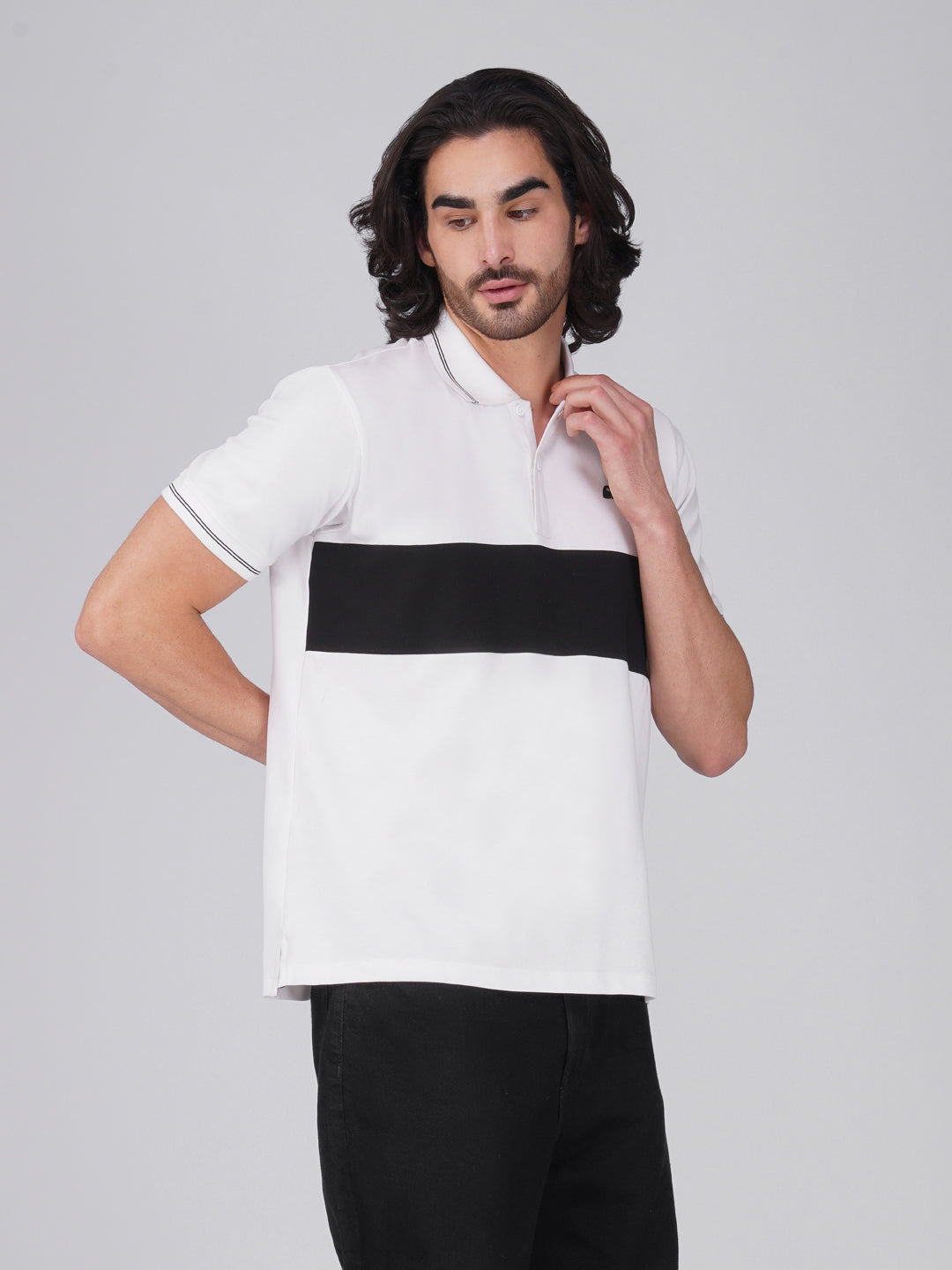
Consider a VanDee Organic Cotton T-Shirt worn weekly for office days over a year - roughly 50 wears in twelve months. Built on GOTS v7.0-certified, combed organic cotton at 210 GSM pique, it holds its collar shape and colour far past what a fast-fashion equivalent would manage in the same period. The All-Day Freshness Finish means it doesn't need washing after every single wear, cutting down on the wash-cycle stress that ages fabric fastest, while the Stain-Release Finish prevents the kind of everyday spill that would otherwise cut a garment's life short. Two years in, at roughly 100 wears, the cost-per-wear on a ₹1,299 polo works out to under ₹13 - well below what most people spend replacing thinner, faster-wearing t-shirts over the same period.
How to Extend the Life of Any T-Shirt You Own
Wash cold and inside-out, skip the fabric softener, dry in shade rather than direct sun, treat stains immediately by blotting rather than rubbing, and re-wear between washes when the garment and the day allow it. None of these cost anything extra - they simply require slightly different habits than the "wash after every wear, dry on high heat" default most people fall into.
Conclusion
A t-shirt's true cost isn't the number on the price tag - it's that number divided by how many times you actually wear it before it stops looking and feeling good. Combed organic cotton, the right GSM, proper construction, and genuine care finishes all stack together to push that number down, often making a higher-priced, well-made t-shirt the cheaper choice over its real working life. The habits you build around washing and stain care matter just as much as the fabric you start with.
Explore VanDee's Organic Cotton T-Shirt and Organic Polo collections - GOTS v7.0 certified cotton, built with finishes designed to lower your cost-per-wear over time, not just your price at checkout.
FAQs
1. How many washes should a good quality t-shirt survive?
A well-made t-shirt in combed, higher-GSM cotton (180 GSM or above) should realistically hold its shape, colour, and structure through 100 or more washes with proper care, compared to roughly 15–20 washes for typical fast-fashion cotton blends.
2. Is organic cotton actually more durable than regular cotton?
Generally yes, because organic cotton is more commonly combed and processed to a higher standard, producing stronger, more uniform fibres. Durability ultimately depends on the specific fabric construction and GSM, not the organic label alone, so it's worth checking both.
3. Does cost-per-wear really make expensive t-shirts cheaper in the long run?
In most cases, yes - a well-made t-shirt priced 2-3x higher than a fast-fashion equivalent often works out cheaper per wear if it lasts 5-7x longer, which quality organic cotton garments commonly do with proper care.
4. What's the biggest factor in extending a t-shirt's lifespan?
Wash habits usually matter more than the fabric itself. Cold washing, skipping fabric softener, and shade-drying can add significant life to any t-shirt, while hot washing and high-heat drying shorten even premium fabric's lifespan quickly.
5. How does an anti-odour finish affect a t-shirt's lifespan?
By reducing how often a garment needs washing, an anti-odour finish indirectly extends its life, since fewer wash cycles mean less mechanical fibre stress and colour fade over the garment's working lifetime.