Cart
0


Sustainable fashion has become one of those phrases that gets used so often it's started to lose meaning. Every brand claims to be "eco-friendly," every label says "conscious," and somewhere in the middle of it, most men are left wondering what actually counts as a sustainable choice versus what's just clever marketing. That confusion is especially real in sustainable menswear India right now, where "eco-friendly" gets stamped on everything from a cheap dye job to a properly certified organic tee, with no easy way to tell the two apart from a product photo.
Here's the good news: you don't need to overhaul your entire wardrobe or become a full-time activist to dress more responsibly. Sustainable fashion in 2026 is less about grand gestures and more about a handful of practical, repeatable choices - the kind you can start making with your very next purchase. This guide breaks down seven of them, in plain language, with no greenwashing attached.
1. Choose Certified Organic Cotton Over "Eco-Friendly" Claims
Why Certification Matters More Than the Word "Organic"
The word "organic" on a hangtag means very little on its own - it's the certification behind it that matters. GOTS (Global Organic Textile Standard) is widely regarded as the highest level of organic textile certification available. It requires fibre grown under recognised organic farming programs, then audits every processing stage that follows: spinning, knitting, dyeing, and finishing. Organic farming itself avoids synthetic pesticides and fertilisers, which protects water from chemical runoff and helps build healthier soil that retains moisture naturally over time.
What to Look for on the Label
Before you trust a "sustainable" claim, check for a specific certification body and version number - for instance, GOTS v7.0 - rather than a vague sustainability statement. A VanDee Organic Cotton T-Shirt, for example, is built on GOTS v7.0-certified fabric, which means the organic claim is auditable through the supply chain rather than a marketing word.
2. Prioritise Skin-Safe, Chemically Tested Fabric
The Hidden Chemical Load in "Regular" Clothing
Sustainability isn't only about farming methods - it's also about what ends up in the fabric you wear against your skin every day. Regular cotton clothing isn't always tested against harmful-substance limits, which means dyes and finishing chemicals can remain in the fabric without disclosure.
Why OEKO-TEX Class I Is Worth Checking For
OEKO-TEX Standard 100 tests finished fabric against limits for harmful substances, and Class I is the strictest class in the standard - the level required for baby and toddler textiles. Choosing a garment certified at this level, such as VanDee's GOTS Certified Cotton fabric, means the dyes and finishes have been independently tested against the most stringent limits available, not just the fibre itself.
3. Buy Fewer, Better-Made Pieces
The Cost-Per-Wear Mindset
One of the simplest sustainable habits a man can adopt in 2026 is shifting from "cheap and frequent" to "quality and occasional." A well-made organic cotton polo that survives two years of regular wear costs less per wear than five fast-fashion tees replaced every few months - and it keeps far more fabric out of landfills along the way.
Build Around Versatile Basics
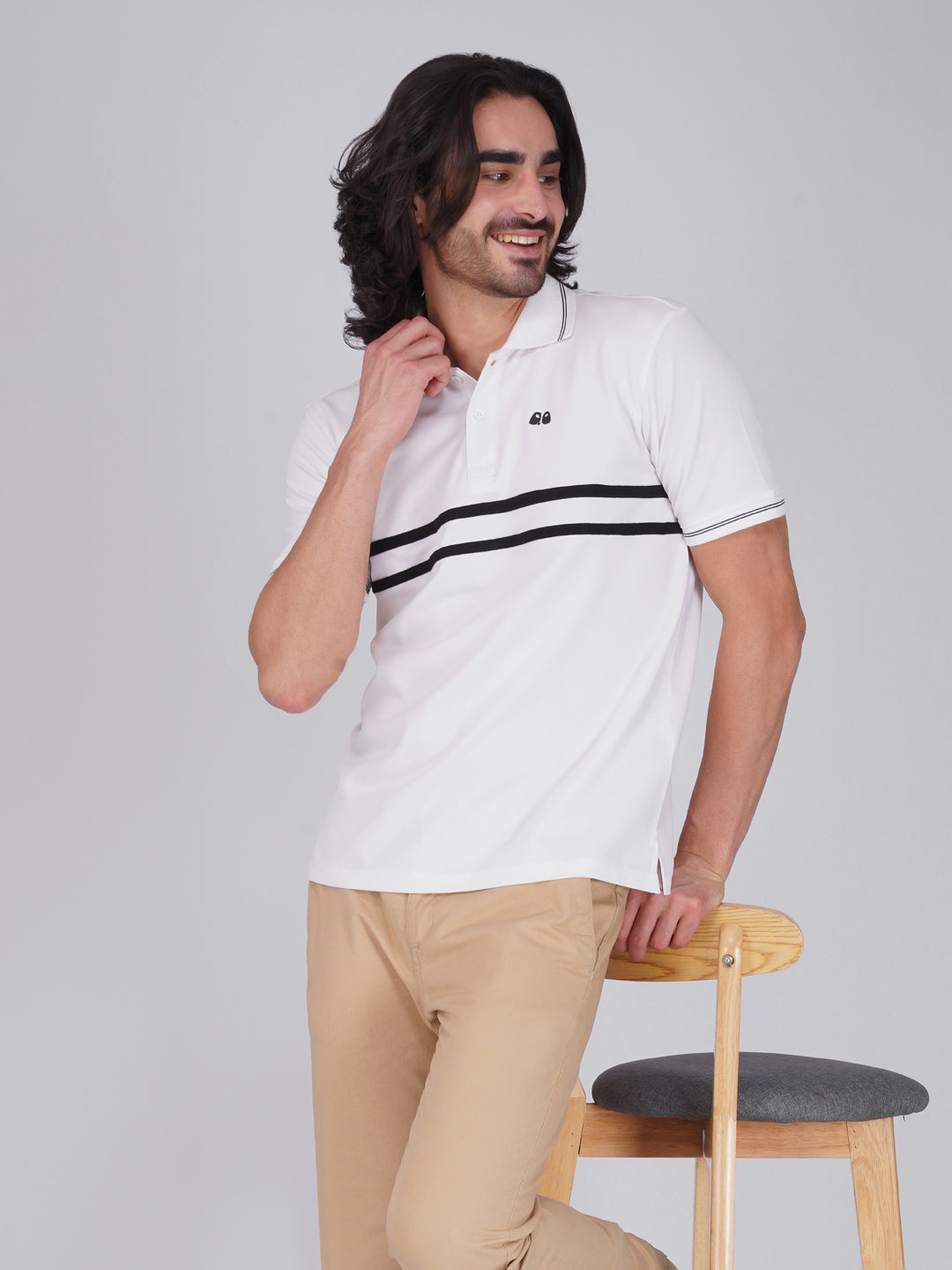
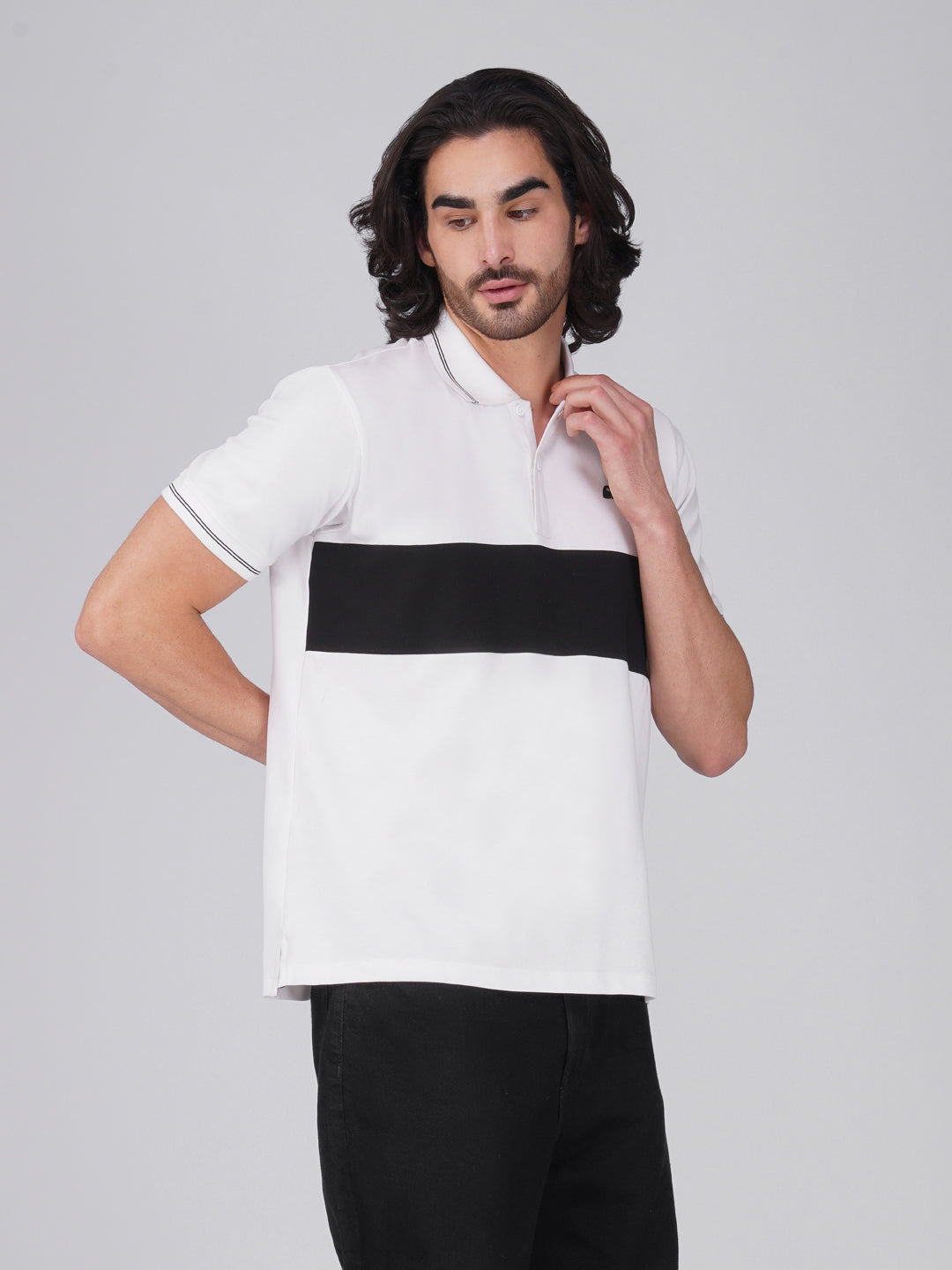
Instead of chasing seasonal trends, build a wardrobe around solid-colour polos and round-neck t-shirts that pair with everything you already own. A well-fitted VanDee Sustainable Polo in navy or black, for instance, works for the office on Monday and a dinner on Saturday - one garment, multiple occasions, less overall consumption. This is the same shift we've tracked more broadly in 10 Best T-Shirt Trends for Men in 2026, where fewer, better-made basics are quietly replacing wardrobes full of one-wash trend pieces.
4. Wash Smarter, Not More Often
Cold Washing Is a Genuine Sustainability Lever
Most people don't think of laundry habits as a fashion choice, but they're one of the biggest sustainability levers available. Machine washing cold - at 30°C or below - protects colour, shape, prints, and any fabric finishes simultaneously, and it's also the lowest-energy way to do laundry, since cold washing cuts most of a wash cycle's electricity use.
Skip the Fabric Softener
Fabric softener coats fibres and can reduce the effectiveness of freshness and stain-release performance over time, while also reducing breathability. Organic cotton knits that are combed for softness, like VanDee's fabric, don't need chemical softening to feel good - skipping the softener is both a fabric-care and a sustainability win.
5. Choose Fabric Finishes That Reduce Wash Frequency
Why Fewer Washes Matter
Every wash cycle uses water, detergent, and electricity, and it gradually wears down fabric fibres. A t-shirt that genuinely needs washing less often has a smaller lifetime environmental footprint than one you have to wash after every single wear.
How Anti-Odour Finishes Change the Equation
This is where an All-Day Freshness Finish makes a practical difference. Body odour on clothing mostly comes from bacteria breaking down sweat on the fabric, not from sweat itself - so a finish that limits bacterial growth on the textile addresses the root cause. Many wearers of the VanDee Organic Cotton T-Shirt comfortably re-wear a garment between washes after airing it out overnight, which means fewer washes, less water, less detergent, and slower fabric wear over the life of the garment. The fabric science behind these finishes - GSM weights, lab standards, all of it - is covered in more depth in Polo vs Round Neck: Which Fits Your Body Type Better?.
6. Care for Stains Instead of Discarding the Garment
The Real Cost of a "Ruined" T-Shirt
A permanent-looking stain is one of the most common reasons men quietly retire a perfectly good t-shirt. But most everyday stains - tea, coffee, curry splash, oil - don't need to be fabric-ending events if you treat them correctly and choose fabric built to release them.
Blot, Don't Rub
The correct first response to a fresh stain is to blot it with a clean tissue rather than rub it, then dab with plain water from the stain's edge inward and wash normally that day. On fabric with a genuine Stain-Release Care Finish, most everyday spills lift out in a regular cold wash without aggressive scrubbing or harsh chemical stain removers - extending the useful life of the garment instead of ending it.
7. Support Brands That Are Transparent About What "Sustainable" Means
Ask What the Claims Are Actually Based On
The most sustainable fashion choice you can make as a consumer isn't a single product - it's the habit of asking brands to show their work. Look for facility-level credentials like Higg FSLM verification and ISO 14001:2015, alongside fibre-level certifications like GOTS, rather than accepting broad claims like "eco-friendly" at face value. This is really what separates genuine sustainable clothing brands in India from ones that are just borrowing the vocabulary.
VanDee Wardrobe: What Transparency Looks Like in Practice
VanDee groups its credentials under a "Verified at Source" commitment: GOTS v7.0-certified fabric, OEKO-TEX Standard 100 Class I certification, and facility-level Higg FSLM and ISO 14001:2015 verification. None of these are brand awards - they're independent, third-party checks on what actually went into the garment, presented exactly as what they are. That's the standard worth holding every brand to, not just VanDee: built around a "Created to Care" philosophy that treats sustainability as a verifiable supply-chain fact rather than a tagline.
Conclusion
Sustainable fashion for men in 2026 doesn't require a dramatic lifestyle overhaul - it requires seven repeatable habits: choosing certified organic cotton, prioritising skin-safe fabric, buying fewer and better pieces, washing smarter, choosing finishes that reduce wash frequency, treating stains instead of discarding garments, and holding brands accountable for transparency. Each choice is small on its own, but together they add up to a wardrobe that's genuinely lighter on the planet - not just labelled that way. If you're comparing sustainable clothing brands in India, the checklist above - GOTS certification, OEKO-TEX testing, transparent facility audits - is exactly what to ask for before you buy.
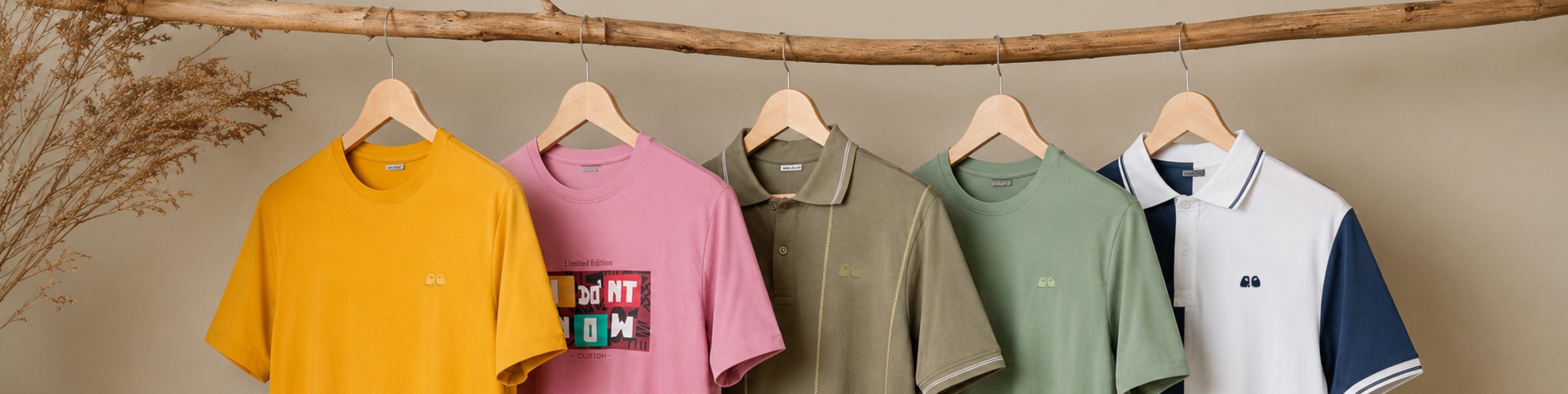
Start with what's already in your closet, and build forward from there. Explore VanDee's Organic Polo and Organic Round Neck T-Shirt collections for GOTS-certified basics built to be worn - and washed - less often, and kept for longer.
FAQs
1. What makes a t-shirt genuinely sustainable, not just "eco-friendly" marketing?
Look for specific, checkable certifications - GOTS for organic fibre content and processing, and OEKO-TEX Standard 100 for harmful-substance testing on the finished fabric - rather than vague claims. Certifications are auditable through the supply chain; marketing language isn't.
2. Is organic cotton actually better for the environment than regular cotton?
Organic farming avoids synthetic pesticides and fertilisers and supports healthier soil, which helps land retain water naturally over time and reduces chemical runoff into local ecosystems. Water impact does vary by region and farm, so it's worth avoiding brands that quote unverifiable exact figures.
3. Does washing my clothes less often actually make a difference?
Yes. Every wash cycle uses water, detergent, and electricity, and gradually wears down fabric fibres. Choosing garments with a genuine anti-odour finish, and washing cold instead of hot, meaningfully reduces the environmental footprint of your wardrobe over its lifetime.
4. Are anti-odour and stain-release finishes safe for skin?
They can be, provided the finished fabric - including its treatments - is independently tested. Fabric certified under OEKO-TEX Standard 100 Class I has been tested against harmful-substance limits stricter than those for regular adult clothing, which is a meaningful skin-safety signal.
5. Is buying fewer, better-quality clothes really more sustainable than buying cheap and often?
Generally, yes. A well-made garment that lasts significantly longer reduces both the resources spent manufacturing replacements and the volume of textile waste generated. Cost-per-wear, rather than price tag alone, is a more honest way to evaluate the sustainability of a purchase.